Options trading is a way to speculate on stock movements, hedge your portfolio against losses, or generate income. But it's not just buying low and selling high. It's about contracts, obligations, and time. Think of it as financial tool with more gears than just drive and reverse. It can amplify gains, define your risk upfront, or protect what you already own. It can also blow up an account faster than you can say "expiration date." Let's break it down without the Wall Street jargon.
What You'll Find in This Guide
What Exactly Are Call and Put Options?
An option is a contract. It gives you the right, but not the obligation, to buy or sell an asset (like 100 shares of a stock) at a set price (the strike price) before a certain date (the expiration date). You pay a fee for this contract, called the premium.
That's the textbook definition. Here's what it really means in practice.
The Two Flavors: Calls and Puts
Everything in options stems from these two basic types.
| Option Type | What It Gives You The Right To Do | When You'd Use It | Simple Analogy |
|---|---|---|---|
| Call Option | Buy 100 shares of a stock at the strike price. | You think the stock price will go up. | A reservation coupon. You pay a small fee now to lock in the right to buy a hot new gadget at today's price, even if its price soars next month. |
| Put Option | Sell 100 shares of a stock at the strike price. | You think the stock price will go down. | An insurance policy. You pay a premium to insure your house (your stock) against a drop in value. If the value falls, the policy pays out. |
Every option contract has four key parts, often called the "option chain" on your broker's platform:
The Underlying Asset: Usually 100 shares of a specific stock (e.g., Tesla, Apple).
The Strike Price: The price at which you can buy (call) or sell (put) the stock.
The Expiration Date: The deadline. After this date, the option is worthless. Options typically expire weekly, monthly, or quarterly.
The Premium: The price you pay to buy the option contract. This is quoted per share, so a premium of $1.50 means the contract costs $150 (because it controls 100 shares).
Here's a concrete example. Let's say Tesla (TSLA) is trading at $180 per share. You're bullish. You buy one Tesla call option with a $185 strike price, expiring in 30 days, for a premium of $5 per share ($500 total).
What happens?
If TSLA jumps to $200 before expiration, you can exercise your right to buy 100 shares at $185 and immediately sell them at $200, making $15 per share in profit. Minus your $5 premium, your net profit is $10 per share, or $1,000. Your $500 investment just doubled. That's the leverage.
If TSLA stays at $180 or goes down, you let the option expire worthless. You're out your $500 premium. That's your maximum loss. Defined and known upfront.
Why Would You Even Bother Trading Options?
Stocks seem simpler. Why complicate things? Options offer specific advantages that plain stock buying doesn't.
1. Leverage and Defined Risk. As in the Tesla example, you can control 100 shares of a stock for a fraction of the cost of buying them outright. Your potential gain is a multiple of your initial investment. Crucially, when you buy an option, your maximum loss is capped at the premium you paid. You know the worst-case scenario before you enter the trade.
2. Hedging (Portfolio Insurance). This is a massively underused benefit by individual investors. Let's say you own 100 shares of Microsoft, bought at $300. You're long-term bullish but worried about a short-term market dip. Instead of selling your shares, you can buy a put option on Microsoft. If MSFT stock crashes, your put option increases in value, offsetting the loss in your shares. It's like paying an insurance premium to protect your assets. The U.S. Securities and Exchange Commission (SEC) notes that options can be used to manage risk in this way.
3. Generating Income. This is where it gets interesting for many. You can sell option contracts and collect the premium as income. The most common strategy is the covered call. You own 100 shares of a stock and sell a call option against it. You pocket the premium. If the stock stays below the strike price, you keep the shares and the premium. Your downside? You cap your upside. If the stock moons, your shares get "called away" at the strike price. It's a trade-off: income for potential future gains.
A word of caution on income: Selling options (like naked puts or calls) is often marketed as a "safe" income strategy because you collect premium. It feels good to get paid upfront. But it flips the risk profile. Your potential loss can be huge (theoretically unlimited on a naked call), while your gain is limited to that small premium. It requires more capital and is far riskier than simply buying options. Don't fall for the "theta gang" hype without understanding the obligations you're taking on.
How Do You Actually Start Trading Options?
You can't just jump in. Brokers won't let you. Here's the realistic path.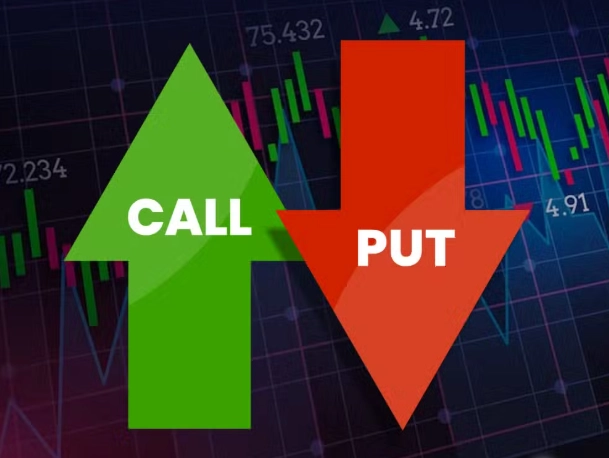
Step 1: Learn the Absolute Basics. You're doing that now. Understand calls, puts, strike, expiration, premium. Know the difference between buying and selling. Resources from the Chicago Board Options Exchange (CBOE) are a great, unbiased starting point for education.
Step 2: Choose a Broker and Get Approved. Not all brokerage accounts allow options trading. You need to apply for options approval, which usually involves answering questions about your experience, financial knowledge, and risk tolerance. Brokers typically have tiers (e.g., Level 1 for covered calls, Level 2 for buying calls/puts, Level 3+ for more complex spreads). Expect to need a margin account.
Step 3: Start with Paper Trading. Every major broker (Thinkorswim by TD Ameritrade, Webull, Interactive Brokers) offers a simulated trading platform. Use it. Test your understanding without real money. Try buying a call on a stock you think will rise. See how the price moves with the stock and with time. This step is non-negotiable.
Step 4: Make Your First Trade Small and Defined-Risk. Your first trade with real money should be buying a single call or put option. Use a small amount of capital you are 100% prepared to lose. Choose a stock you know well, pick a strike and expiration, and just do it. The goal isn't profit; it's to understand the mechanics, the bid-ask spread, and the emotional ride.
I remember my first option trade. I bought a call on a tech stock before earnings. I was right on the direction—the stock popped after hours. I was thrilled. Then I logged in the next morning to see my option was worth less. Why? Because the implied volatility crashed after the news was out, decimating the option's premium. I learned more about volatility from that loss than any book could teach me.
Common Options Trading Strategies for Beginners
Beyond just buying a call or put, you can combine them for specific goals. Here are four foundational ones.
Long Call: The basic bullish bet. Buy a call option. You profit if the stock rises significantly before expiration. Maximum loss: premium paid.
Long Put: The basic bearish bet. Buy a put option. You profit if the stock falls significantly. Maximum loss: premium paid.
Covered Call: You own 100 shares of Stock XYZ. You sell one call option against those shares. You collect the premium, boosting your income. In return, you agree to sell your shares at the strike price if called. Best used when you expect the stock to be neutral or rise slightly.
Protective Put: You own 100 shares of Stock XYZ. You buy one put option. This is your hedge. It costs you a premium, but it protects your shares from a decline below the strike price. It's pure insurance.
The Real Risks and Common Beginner Mistakes
Options are not stocks. The risks are different, and they'll eat your capital if you're sloppy.
1. Time Decay (Theta): This is the #1 killer of beginner trades. An option is a wasting asset. Every day that passes, its value erodes, all else being equal. The decay accelerates as you get closer to expiration. Buying an option with 7 days to expiry is like buying ice on a hot sidewalk. You need the stock to move, and move fast. Most beginners underestimate this.
2. Complexity and Leverage: The leverage that can magnify gains also magnifies losses. A 50% drop in your option's value happens easily and quickly. It can be emotionally jarring.
3. Lower Liquidity: Not all options trade frequently. You might see a great theoretical profit on screen, but if you try to sell, the bid-ask spread (the difference between the buying and selling price) could be huge, turning your paper gain into a real loss.
4. The Assignment Surprise: If you sell options, you can be assigned at any time before expiration, obligating you to buy or sell shares. It doesn't just happen on expiration Friday. You need to be prepared for that possibility and have the capital to fulfill the obligation.
The biggest unspoken mistake? Trading options on stocks you don't care about owning. If you sell a put, you must be happy to buy the stock at the strike price. If you sell a covered call, you must be content selling your shares at the strike. Always tie the option trade back to a real opinion on the underlying asset.
Reader Comments