Let's be honest. The word "hedging" sounds like something only Wall Street pros in expensive suits do. It feels complex, maybe even a bit sneaky. But strip away the jargon, and it's a shockingly simple idea: you're making a smaller, opposite bet to protect a bigger, primary one. Think of it as paying for car insurance. You hope you never need it, but you're sure glad it's there if you crash. In investing, the "crash" is a market downturn, and your hedge is the policy.
The biggest mistake I see? People think hedging is about eliminating risk. It's not. You can't. Trying to eliminate all risk usually means eliminating all profit, too. The real game is about managing and transforming risk into something you can stomach. It's about sleeping better at night without completely giving up on the chance of making money during the day.
I remember talking to a friend in early 2022. He was heavily invested in tech stocks and riding high. I mentioned putting on a simple hedge. "Why would I pay for that?" he said. "It's just throwing money away." Six months later, after the Nasdaq dropped over 30%, his tone was different. The "wasted" premium for a hedge would have looked like a bargain. That's the psychology of it. When things are good, hedging feels like a cost. When things go bad, it feels like a lifeline.
What You'll Learn in This Guide
What Hedging Really Means (Beyond the Textbook)
Forget the complex definitions for a second. Hedging is an active decision to reduce potential damage. It's acknowledging that your main investment thesis could be wrong, or that outside events could hurt it, and taking a pre-emptive step.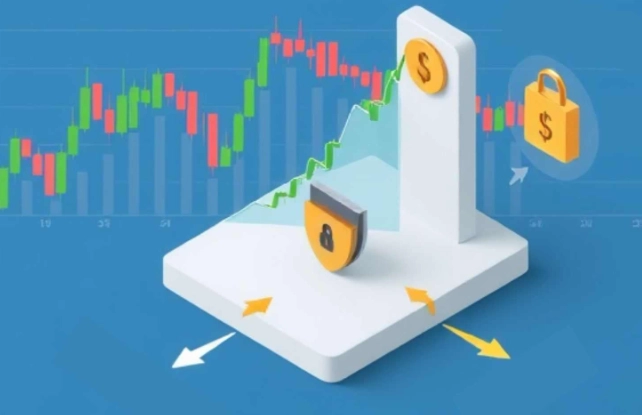
Here’s the core trade-off, and most articles gloss over this: Hedging reduces both your potential loss AND your potential gain. That insurance premium comes out of your overall returns. A perfect hedge would give you zero loss and zero gain. That's useless. So the art is in finding the right balance—enough protection to matter, but not so much that you strangle your portfolio's growth.
Why Bother Hedging? The Real-World Triggers
You don't hedge all the time. That would be exhausting and expensive. You hedge when specific conditions or fears arise. Here are the concrete scenarios where it makes sense:
- You Have a Concentrated Position: This is the number one reason. If 40% of your portfolio is in your company's stock, or you made a big bet on one sector (like tech or energy), you're exposed to a single point of failure. Hedging that specific risk is prudent.
- A Major Economic Event is Looming: Think Federal Reserve meetings, elections, or earnings reports for a key company you're exposed to. The outcome is binary and could swing markets. A short-term hedge is like buying event insurance.
- You're Nearing a Financial Goal: Imagine you've been saving for a house down payment for years, and the money is in the market. You're 6 months away from needing the cash. The risk of a market drop now is catastrophic for your goal. This is a classic moment to hedge your portfolio heavily or move to safer assets.
- Market Indicators Flash Warning Signs: While timing the market is futile, ignoring extreme valuations or overheated sentiment is reckless. When metrics like the Buffett Indicator (Market Cap to GDP) or the VIX (volatility index) hit historical extremes, it's a signal to consider adding some protection.
Practical Hedging Strategies for Different Assets
The "how" depends entirely on the "what" you own. Let's break it down by asset class.
Hedging Stocks and ETFs
This is where options become your primary tool. They're not as scary as they seem.
Case Study: Protecting a Tech Stock Portfolio
Situation: You have a $100,000 portfolio heavily weighted towards tech stocks (QQQ ETF). You're bullish long-term but worried about a 10-15% correction in the next 3 months.
Hedge: Buy Put Options on QQQ.
- Action: Purchase 2 QQQ put option contracts with a strike price 10% below current levels, expiring in 3 months. Each contract controls 100 shares.
- Cost: The option premium might be $800 per contract, so total cost = $1,600.

- Outcome 1 (Market Drops 15%): Your portfolio loses ~$15,000. Your put options, however, gain significant value (likely $10,000+). Your net loss is dramatically reduced to maybe $6,000-$7,000 (including the option cost).
- Outcome 2 (Market Rises or Stays Flat): Your portfolio gains or holds steady. Your put options expire worthless. You're out the $1,600 premium, which you treat as the cost of your "insurance." Your upside is slightly reduced.
The key is sizing the hedge correctly. You don't need to hedge 100% of your portfolio value. Hedging 25-50% can provide meaningful protection at a lower cost.
Hedging Forex and International Exposure
If you own foreign stocks or receive income in another currency, you're exposed to exchange rate moves. A strong dollar can wipe out gains from a booming European stock.
The Simple Tool: Currency Forward Contracts or ETFs that track currency pairs. If you have €100,000 in European assets and fear the Euro will fall against the Dollar, you can enter a forward contract to sell €100,000 at a set rate for a future date. This locks in your exchange rate, eliminating the currency risk. Brokers like Interactive Brokers make this accessible to retail investors.
Hedging Cryptocurrency Volatility
Crypto is the wild west, and hedging is crucial for anyone holding more than play money. The strategies are evolving but are now accessible.
- Stablecoin Swaps: The simplest hedge. If you think Bitcoin is due for a drop, you swap a portion of your BTC for USDT or USDC. You're out of the market, preserving value in dollar terms.

- Perpetual Swaps (Perps) on Derivatives Exchanges: Platforms like Binance or Bybit allow you to open a "short" position on BTC while holding your actual BTC. If the price drops, your short position profits, offsetting the loss on your holdings. Warning: This involves leverage and funding rates, which can be complex and risky if not managed.
- Options (Growing Market): Exchanges like Deribit offer Bitcoin and Ethereum options. Buying a put option on your BTC holdings works exactly like the stock example above.
The 3 Most Common Hedging Mistakes (And How to Avoid Them)
I've seen these errors cost people more than the losses they were trying to avoid.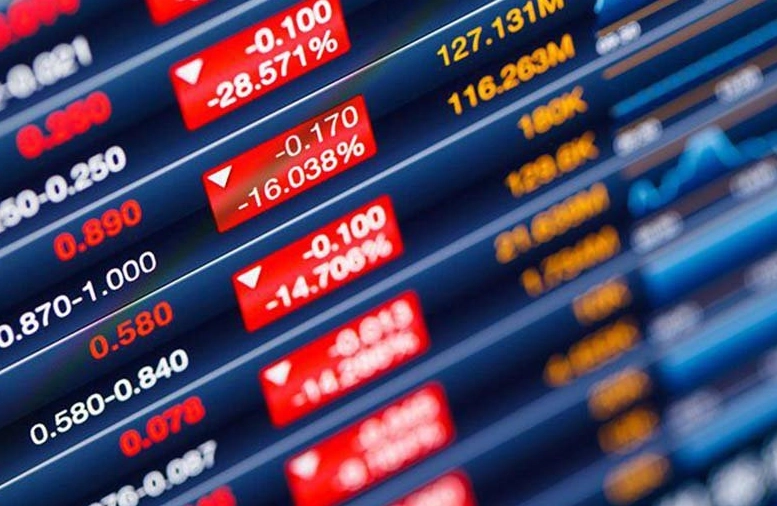
| Mistake | What Happens | The Fix |
|---|---|---|
| 1. Over-Hedging | You spend so much on insurance (option premiums, etc.) that you guarantee poor returns. Your portfolio becomes a bureaucratic entity that does nothing but pay fees. | Hedge a percentage, not 100%. Start with 25% of a concentrated position. Use cheaper, out-of-the-money options for catastrophic protection, not minor dips. |
| 2. Hedging the Wrong Thing | You buy puts on the S&P 500 to hedge your portfolio of Chinese tech stocks. The correlation breaks down; the US market rises while your stocks crash. Your hedge does nothing. | Match your hedge as closely as possible to the specific risk. Hedge Alibaba stock with an Alibaba put or an ETF that holds it, not a broad US index. |
| 3. "Set and Forget" Hedging | You buy a 6-month put option and never look at it. The market drops 20% in month 1, your hedge soars in value, but then the market recovers. You watch your hedge profits evaporate and expire worthless. | Manage the hedge actively. If your hedge doubles in value after a sharp drop, consider selling half to lock in profits. You can always re-hedge later. Hedging is a dynamic process. |
Your Hedging Questions, Answered
- Treasury Inflation-Protected Securities (TIPS): Their principal adjusts with CPI.
- Real Assets: Commodities ETFs (like GSG), real estate (VNQ), or infrastructure stocks. Their value often rises with input costs.
- Short-Term Bonds: In a rising rate environment, rolling over short-term bonds lets you capture higher yields faster than being locked into long-term bonds.
Look, hedging won't make you a superstar investor. The superstars are the ones taking huge, unhedged risks that happen to pay off. But for the rest of us—the people saving for retirement, a kid's education, or financial independence—hedging is a tool for sustainability. It's the recognition that the market's path is unpredictable, and a little paid protection can be the difference between panicking during a crash and staying the course. Start small. Hedge one specific worry you have right now. See how it feels. It's less about complex math and more about crafting a portfolio that can survive the storms you know will eventually come.
Reader Comments