Let's cut through the jargon. When business folks talk about brand equity, eyes sometimes glaze over. It sounds fluffy, like something the marketing department worries about while the "real" work of sales and operations happens. That's a costly mistake. I've seen companies with mediocre products outlast and outperform technically superior rivals for one reason: their brand meant something more. Brand equity isn't a line on your balance sheet, but it influences every line that is.
Think about the last time you chose Apple over a cheaper laptop, picked Starbucks for a meeting, or trusted a Band-Aid for a cut. You weren't just buying a computer, coffee, or adhesive strip. You were buying a feeling, a promise, a shortcut for decision-making. That's brand equity in action—the commercial value that derives from consumer perception rather than the product or service itself.
What You'll Learn in This Guide
What Brand Equity Really Is (And Isn't)
The American Marketing Association defines a brand as a "name, term, design, symbol, or any other feature" that identifies a seller's goods. Brand equity is the added value bestowed on those goods or services. It's the gap between the price of a generic commodity and what people will pay for the branded version.
Here's the non-consensus part most articles miss: brand equity isn't just about positive feelings. It's about predictable, bias-creating memory structures in the customer's mind. A brand with strong equity doesn't just make people like it; it makes them think less. It simplifies choice under uncertainty. This is why, in a crisis or a crowded market, strong brand equity acts as a life raft.
The Four Tangible Building Blocks of Strong Equity
David Aaker's model breaks it down best. Ignore these at your peril.
1. Brand Loyalty
This is the core. It's not just repeat purchases; it's a resistance to switching. A loyal customer is a less expensive customer (lower retention costs) and a walking billboard. They forgive occasional missteps. Building this starts with an unreasonably good core experience, not a loyalty program. Programs can be copied; true allegiance is harder.
2. Brand Awareness
Top-of-mind recognition. Can people recall you unaided in your category? If someone needs a ride and says "Uber," that's powerful awareness. This comes from consistency and presence, but awareness without the other pillars is empty—like knowing a forgettable celebrity's name.
3. Perceived Quality
Notice the word "perceived." It's the customer's judgment, not your engineering specs. It's the belief that your product is reliable, effective, and superior. Tesla, for years, built immense equity on perceived quality (innovation, performance) that often outpaced its actual, sometimes spotty, manufacturing quality. Perception is the reality you compete in.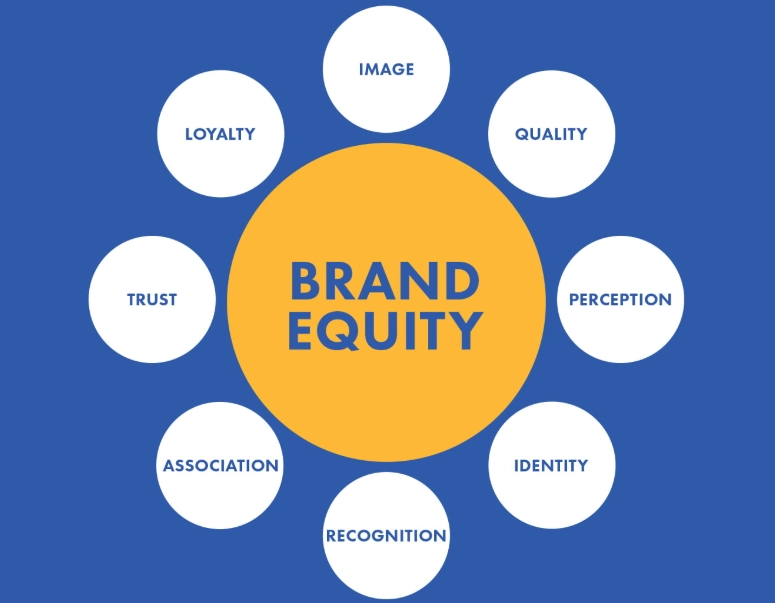
4. Brand Associations
The mental network linked to your brand. Is it innovative? Trustworthy? Affordable? Luxurious? Eco-friendly? These are built through every touchpoint: your visuals, your customer service tone, your founder's story, your content. Apple associates with design simplicity. Patagonia with environmental activism. These associations become shortcuts to meaning.
Practical Steps to Build It From the Ground Up
This isn't theoretical. Here's a sequence I've used with companies, stripped of consultancy fluff.
First, Get Your Foundation Right. You can't build equity on a shaky product. What is your one core promise? Make it specific. Not "great customer service," but "resolve any issue with one contact." Bake that into operations.
Second, Design for Recognition, Not Just Beauty. Your visual identity needs to be distinctive and applied with monk-like discipline. Color, typography, imagery style. Look at Coca-Cola's red or Tiffany's blue. Consistency breeds familiarity, and familiarity (when positive) breeds trust.
Third, Create Signature Touchpoints. What's one thing only you do? The way Apple stores feel. The handwritten notes from a small Etsy seller. The unboxing experience of Glossier. These moments get talked about and become part of your brand story.
Fourth, Tell Stories, Not Specs. People remember stories, not features. How did your product help a real person? What problem does it solve in an emotional way? Share those narratives everywhere. Case studies, social media, your "About" page.
Fifth, Behave Your Brand. Your brand is what you do, not what you say. If you claim to be transparent, share your failures. If you claim to be community-driven, invest in it when there's no immediate ROI. Every inconsistent action chips away at equity.
How to Measure Your Progress: Moving Beyond Vanity Metrics
If you can't measure it, you can't manage it. Forget just tracking likes and followers.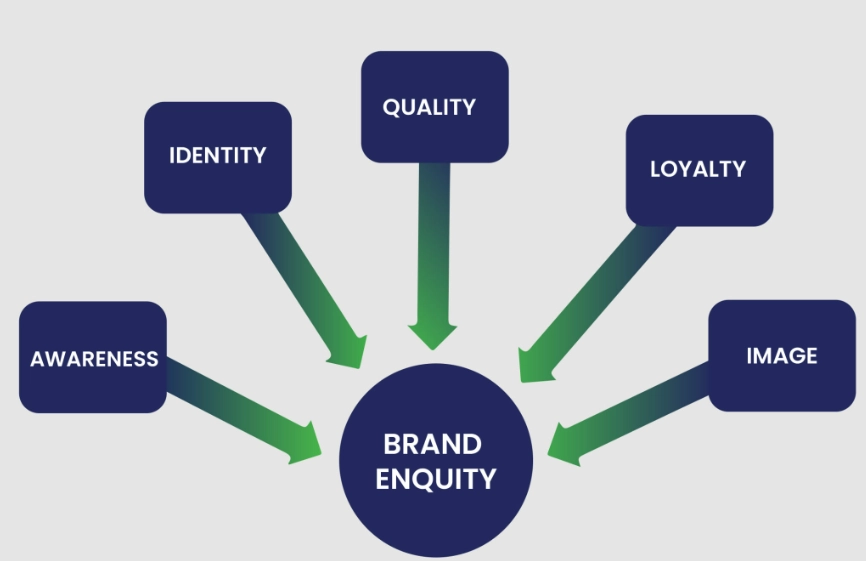
Track Price Premium: Can you charge 10%, 20%, 50% more than a generic competitor for a similar functional offering? That's equity you can bank.
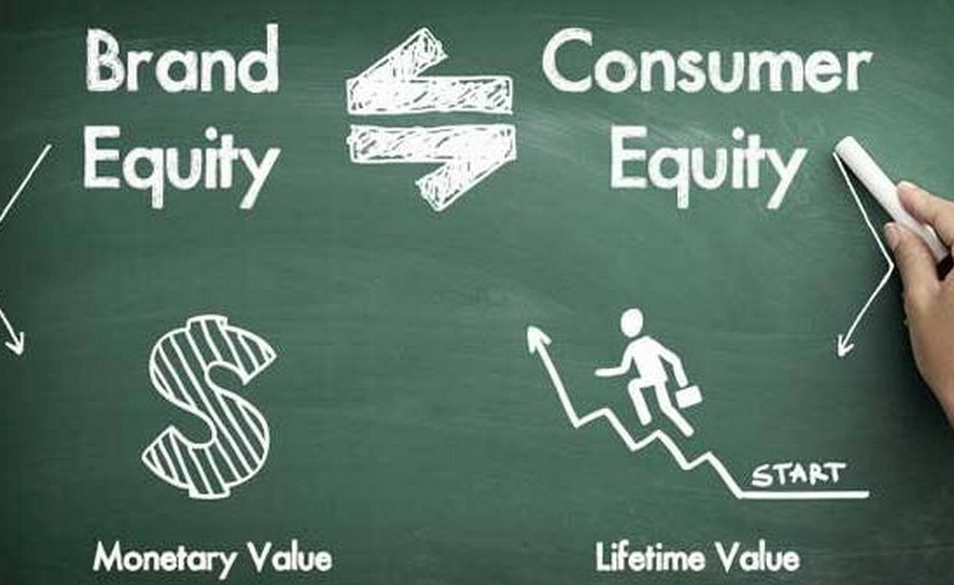
Monitor Customer Lifetime Value (CLV): Loyal customers with high equity spend more over time. A rising CLV is a strong signal.
Conduct Brand Tracking Surveys: Regularly ask target customers unaided awareness questions ("Which brands come to mind for X?"), perceived quality ratings, and likelihood-to-recommend (Net Promoter Score). Tools like SurveyMonkey or Qualtrics make this accessible.
Analyze Search and Social Sentiment: Are people searching for your brand name directly (a sign of strong equity) or just generic category terms? What's the emotional tone of social mentions?
Reports like Interbrand's Best Global Brands or Kantar's BrandZ rankings use complex financial modeling, but the principles above are your on-ramp.
Common Pitfalls That Drain Your Brand's Value
Building is hard; eroding is easy.
Inconsistency: Changing your logo, message, or target audience too frequently. It confuses people and prevents strong associations from forming.
Over-Extension: Putting your brand name on a low-quality or irrelevant product. It dilutes meaning. Remember when Pierre Cardin licensed its name to thousands of products? It lost its luxury cachet.
Neglecting the Core: Chasing new customers while ignoring the experience of existing ones. It's cheaper to keep a customer than acquire a new one, and loyal customers are your equity bedrock.
Silence in a Crisis: How a company handles a mistake tests its equity. Dodging responsibility or being slow to respond does more damage than the initial error. Transparency and decisive action can actually strengthen equity by proving your values are real.
Your Burning Questions Answered
The bottom line is this: brand equity is the ultimate business moat. It's what allows you to weather storms, command better prices, and launch new ventures with a built-in audience. It's not marketing's job; it's the company's core project. Start treating it that way, and you stop competing on price alone. You start competing on meaning.
Reader Comments