Let's cut through the textbook definition. Vertical integration isn't just a fancy business school term. It's the decision a company makes to own more of its own story. Instead of buying parts from Supplier A, assembling at Factory B, and shipping through Logistics C, a vertically integrated company tries to do a lot of that itself. Think of it as a chef who decides to stop buying tomatoes from the market and instead starts their own organic farm out back. It's about control, for better or worse.
I've seen companies get this spectacularly right, creating unshakable competitive advantages. I've also seen them get it horribly wrong, sinking billions into divisions they had no business running. The difference often comes down to a few subtle, rarely discussed details.
What You'll Learn
The Three Main Types of Vertical Integration
It's not one-size-fits-all. The direction you move in your supply chain defines your strategy.
1. Backward Integration (Going Upstream)
This is when a company moves backward in the supply chain to control its inputs or raw materials. A car manufacturer buying a steel mill is a classic example. A coffee shop chain purchasing coffee bean farms is another. The goal here is to secure supply, control quality at the source, and capture the margin that used to go to the supplier.
2. Forward Integration (Going Downstream)
This is the opposite. A company moves forward to control distribution, retail, or direct-to-consumer channels. A clothing manufacturer opening its own branded retail stores is forward integration. A software company that used to sell through partners deciding to sell directly online is doing this. The goal is to get closer to the customer, control the brand experience, and, again, keep more profit.
3. Balanced Integration
This is the full monty. A company does both backward and forward integration, controlling a huge chunk of the process from raw materials to the end customer. It's the most capital-intensive and risky path, but the potential reward in terms of control and efficiency is massive. Few companies operate at this level.
Quick Tip: Don't confuse this with horizontal integration, which is about buying competitors at the same stage (e.g., one airline buying another). Vertical is about moving up or down your own supply chain.
Who Actually Does This? Real-World Examples
Let's look at some companies that aren't just case studies but are executing this right now.
Tesla is a masterclass in aggressive vertical integration. While most automakers rely on hundreds of external suppliers, Tesla manufactures its own seats, batteries (through Gigafactories), and even develops its own software and chips. Elon Musk has been vocal about wanting to control the core technology. This lets them innovate faster but requires staggering capital investment.
Zara (Inditex) revolutionized fast fashion with a tightly integrated model. They control design, manufacturing (through owned and closely-linked factories), distribution, and retail. This allows them to go from design to store shelf in weeks, not months, responding to trends with insane speed.
Netflix executed a brilliant forward integration pivot. They started as a downstream distributor of other studios' content (DVD rentals, then streaming licenses). Seeing the risk, they moved upstream into content creation and ownership. Now, they control their most critical input: the shows and movies that keep subscribers hooked.
Then there's Apple. They blend integration with a vast supplier network. They don't own chip fabrication plants (TSMC makes them), but they design their own A-series and M-series chips—a form of backward integration into core IP. They also fully control their forward integration through Apple Stores and the App Store, creating a seamless customer ecosystem.
The Brutal Honesty: Pros and Cons
It sounds powerful, and it can be. But it's a double-edged sword. Let's lay it out clearly.
| Advantages (The "Why You'd Do It") | Disadvantages (The "Why It Can Blow Up") |
|---|---|
| Cost Control & Margin Capture: You eliminate the markup of middlemen. The profit that used to go to your supplier or distributor now stays in your pocket. | Massive Capital Requirements: Buying factories, farms, or retail chains is incredibly expensive. It ties up capital that could be used elsewhere. |
| Supply Chain Control & Reliability: No more worrying about a key supplier going bankrupt, raising prices, or delivering late. You have direct oversight. | Loss of Flexibility & Supplier Competition: You're stuck with your own internal costs and quality. External suppliers often compete on innovation and price; your internal division might not. |
| Improved Quality & Coordination: When departments are under one roof, communication can be faster, leading to better product integration and quality control. | Increased Complexity & Bureaucracy: You're now running completely different businesses. Making car batteries is not the same as selling cars. Management focus gets diluted. |
| Protection of Proprietary Tech/IP: You don't have to share your secret sauce with external partners, reducing the risk of leaks or creating future competitors. | Potential for Inefficiency: Without market pressure, internal divisions can become complacent and less efficient than specialized external firms—a problem known as "organizational slack." |
Here's the subtle mistake I see: companies chase the cost savings but forget to calculate the management overhead. Running a new, complex division isn't free. The hidden costs of coordination, internal politics, and lost entrepreneurial focus can eat up the projected savings entirely.
How to Know If Vertical Integration Is Right for Your Business
Don't just follow the trend. Ask these concrete questions:
Is your current supplier or distributor a major bottleneck? Are they consistently late, expensive, or a threat to your quality? If the market for that service is competitive and reliable, integration is probably a waste.
Is the activity you want to bring in-house a core competency? Does it directly affect your unique value proposition? Tesla sees battery tech as core. A bakery probably shouldn't buy a wheat farm—flour is a commodity, baking skill is the core.
Do you have the capital and, more importantly, the management talent? This is the killer. You need leaders who can run a factory, not just sell its output. Underestimating this talent gap is a recipe for disaster.
Is the industry stable? Vertical integration creates rigidity. In a fast-changing tech market, owning a specific type of hardware factory could be a liability if the standard shifts. In a stable, slow-moving industry like cement or basic materials, it makes more sense.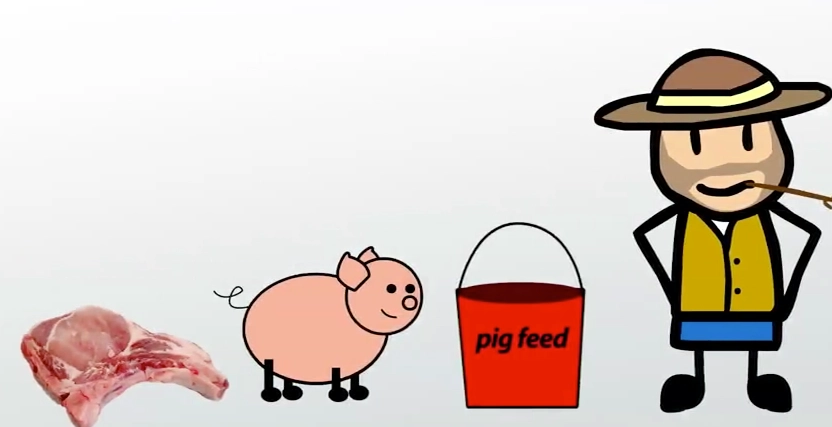
The Expert's View: Common Pitfalls Everyone Misses
After watching this play out, here are the unglamorous realities most articles won't tell you.
The Culture Clash Is Real. The culture of a nimble, customer-facing retail team is worlds apart from a cost-focused, efficiency-driven manufacturing team. Forcing them into one company can create internal warring factions that sabotage the whole point of integration. I've seen the retail side complain the factory is too slow, and the factory side complain retail's demands are unreasonable. Leadership must actively build bridges, not just org charts.
You Lose Your "Market Sensor." When you buy from external suppliers, you get constant market feedback on price, quality, and innovation. When you supply yourself, you're in an echo chamber. Your internal chip division might tell you their chips are great and cost $50 to make. Meanwhile, an external vendor might be selling better chips for $30, but you'd never know because you stopped looking. You have to artificially create internal competition or benchmarking, which is hard.
It Can Stifle Innovation in the Integrated Unit. An external supplier innovates to win business from you and others. Your internal division's main customer is you, and it's a captive customer. Where's the burning drive to innovate? Often, it's not there. The division becomes a cost center, not an innovation center.
Your Burning Questions Answered
So, what is vertical integration? It's a strategic choice of depth over breadth. It's betting that doing fewer things, but owning them completely, will make you stronger, more efficient, and more profitable than coordinating a network of partners.
It's not inherently good or bad. It's a tool. And like any powerful tool, it requires skill to wield. It can build a moat around your business that competitors can't cross. Or it can dig a financial hole so deep you can't climb out. The difference lies in brutally honest self-assessment, a clear focus on what's truly core, and remembering that control always comes with a cost—not just in dollars, but in complexity and focus.
Reader Comments