In This Guide
- Why Bother? The Real Impact of Getting Procurement Right
- The Procurement Process: A Step-by-Step Walkthrough
- Procurement vs. Purchasing: What's the Actual Difference?
- The Different Flavors: Types of Procurement
- Common Procurement Strategies (Pick Your Weapon)
- Frequently Asked Questions About Procurement
- Wrapping It Up: What Procurement Really Means for You
Let’s be honest. When most people hear "procurement," they picture someone in an office ordering paper clips or haggling over the price of widgets. I used to think the same thing. But after years of seeing how businesses really work—and watching some fail because they got this wrong—I’ve learned that understanding what procurement is might be one of the most important things you can do for your company. It’s the hidden engine, the unsung hero, and sometimes, the frustrating bottleneck.
So, what is procurement? In its simplest form, procurement is the strategic process of finding, acquiring, and managing the goods, services, and works a company needs to operate and grow. Notice I said "strategic." That’s the key word everyone misses. It’s not a clerical task. It’s a core business function that directly impacts your bottom line, your risk, your quality, and your ability to innovate.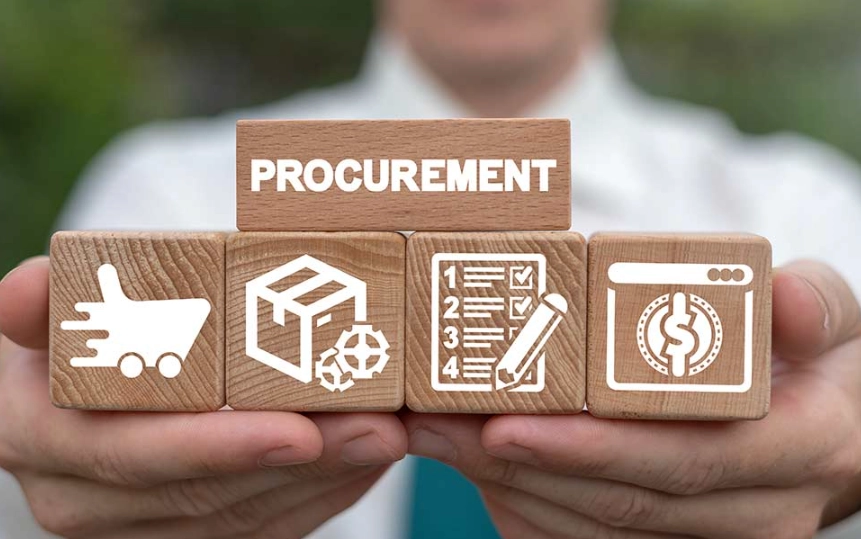
Why Bother? The Real Impact of Getting Procurement Right
You might be running a lean startup or a department where you just buy what you need from the first website you find. Why complicate it? Well, the numbers don’t lie. For many companies, the cost of goods and services they buy (their "spend") is the largest single cost they have—often 50-70% of their revenue. Let that sink in. If you can shave even 5% off that cost through a smart procurement process, it goes straight to your profit. That’s often more impactful than trying to increase sales by 20%.
But it’s not just about cost savings, though that’s the flashy headline. Here’s what a mature procurement function actually does:
- Manages Risk: What if your sole supplier goes bankrupt? What if a geopolitical issue shuts down a key material pipeline? Procurement finds alternative sources and builds resilient supply chains.
- Ensures Quality and Compliance: Are the materials safe? Do they meet industry regulations? Does your supplier follow ethical labor practices? Procurement vets this so you don’t end up with a lawsuit or a PR nightmare.
- Drives Innovation: Good suppliers are partners. They can bring you new technologies, materials, and ideas you hadn’t considered. Procurement builds those relationships.
- Improves Efficiency: Streamlining how you order, approve, and pay for things saves everyone time and reduces errors.
I once worked with a small manufacturer who bought their primary raw material based on a handshake deal with one guy. When that guy retired, the new owner jacked up prices by 30%. They had no contract, no alternative, and almost went under. That’s a failure of procurement, even though they didn’t have a department with that name.
The Procurement Process: A Step-by-Step Walkthrough
So, what does this "process" actually look like? It’s not a single action. It’s a cycle, often called the procurement lifecycle. While it can get complex in large corporations, the core steps are universal. Understanding this cycle is the best answer to the question "what is procurement in practice?"
| Stage | Key Activities | Who's Involved? | The Goal |
|---|---|---|---|
| 1. Need Identification & Planning | Internal department identifies a need (e.g., new software, office furniture, raw materials). Budget is confirmed. Specifications are outlined. | End-User, Finance, Procurement | Define WHAT is needed, WHY, and for HOW MUCH. |
| 2. Supplier Sourcing & Market Research | Searching for potential suppliers. Issuing a Request for Information (RFI) to learn about capabilities. | Procurement, End-User | Create a list of qualified potential vendors. |
| 3. Request for Proposal & Negotiation | Sending formal RFPs or RFQs. Evaluating bids not just on price, but on quality, support, terms. Negotiating contracts. | Procurement, Legal, End-User | Select the best overall supplier and agree on terms. |
| 4. Contracting & Purchase Order | Finalizing and signing the legal contract. Issuing the official Purchase Order (PO) to the supplier. | Procurement, Legal, Supplier | Formalize the agreement and authorize the purchase. |
| 5. Delivery & Payment | Supplier delivers goods/services. Company inspects, accepts, and processes the invoice for payment (3-way matching: PO, Receipt, Invoice). | Procurement, Receiving, Finance, Supplier | Ensure you get what you paid for and pay correctly. |
| 6. Supplier Relationship Management | Ongoing performance reviews. Managing issues. Discussing improvements and innovation. | Procurement, End-User, Supplier | Maximize long-term value from the supplier partnership. |
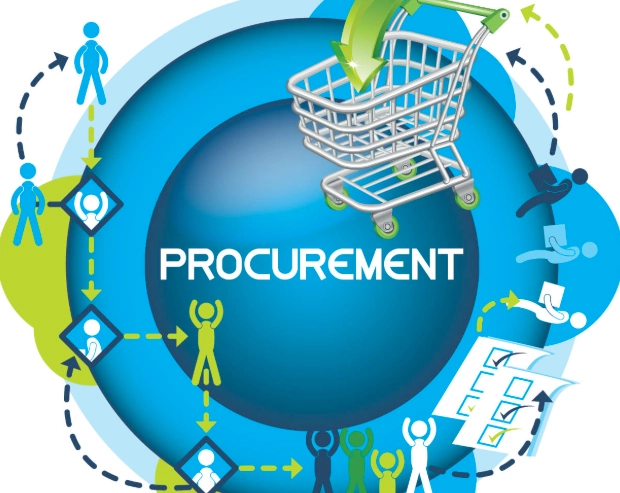
See how step 6 loops back to step 1? It’s a continuous cycle. The biggest mistake companies make is treating procurement as a one-off event (steps 3-5) and ignoring the strategic planning and relationship management. That’s how you get stuck with bad deals.
Where Things Go Wrong (A Reality Check)
In theory, the process is smooth. In reality, it’s messy. People bypass it all the time. The marketing team needs a new design tool now, so they just put it on a credit card. That’s called "maverick spending," and it kills visibility, ruins negotiation leverage, and can introduce security risks (shadow IT). A good procurement process isn’t about being a bureaucratic gatekeeper; it’s about providing a better, faster, and safer way for everyone to get what they need.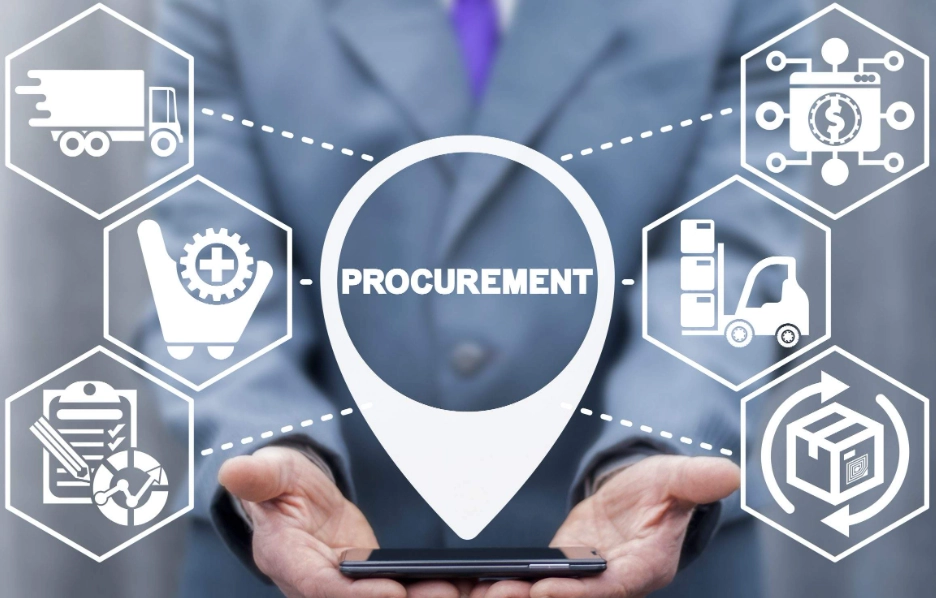
Procurement vs. Purchasing: What's the Actual Difference?
This is a classic point of confusion. People use them interchangeably, but in the professional world, they represent different mindsets. If you take one thing from this article, let it be this distinction.
Purchasing
- Focus: Transactional. The act of buying.
- Timeframe: Short-term. Get the order placed today.
- Goal: Fulfill an immediate need at an acceptable price.
- Process: Reactive. Someone needs something, you find a vendor and order it.
- Relationship: Adversarial or neutral. Focused on the single purchase.
- Think: "I need 100 units of Part X. Who can sell it to me for the lowest price this time?"
Procurement
- Focus: Strategic. The entire management process.
- Timeframe: Long-term. Plan for future needs and market changes.
- Goal: Optimize total value, reduce total cost of ownership, mitigate risk.
- Process: Proactive. Plan categories, analyze spend, build supplier partnerships.
- Relationship: Collaborative. Views suppliers as strategic partners.
- Think: "What is our long-term need for Part X? Can we redesign the product to use a cheaper, better part? Can we partner with a supplier to co-develop the next version and get exclusive pricing?"
Purchasing is a subset of procurement. It’s the tactical execution of step 5 in the cycle. Procurement is the overarching strategy that makes purchasing smarter, cheaper, and less risky. If your company only does purchasing, you’re leaving massive value on the table.
The Different Flavors: Types of Procurement
Not everything you buy is the same. The procurement strategy for buying office snacks is (or should be) completely different from procuring a multi-million dollar SaaS platform. Here’s how it breaks down:
- Direct Procurement: This is the stuff that goes directly into what you sell. Raw materials for a manufacturer, ingredients for a restaurant, products for a retailer to stock on shelves. This spend is tightly linked to revenue and is usually high-value and high-volume. Getting it wrong directly affects your product quality and profit margins.
- Indirect Procurement: This is the stuff that keeps the lights on but isn’t part of the final product. Think office supplies, software licenses, consulting services, cleaning, travel, and marketing agencies. It’s often fragmented (lots of small buys from many suppliers) and harder to manage, but it’s where a lot of wasteful spending hides.
- Services Procurement: A subset of indirect, focused specifically on procuring people and expertise—contingent labor, consulting, outsourcing. This is tricky because you’re buying an outcome, not a tangible product, so defining scope and measuring performance is critical.
- Capital Expenditure (CapEx) Procurement: Buying major assets like machinery, buildings, or company vehicles. These are large, infrequent purchases with long-term financial implications, requiring heavy due diligence and often board-level approval.
Most companies are pretty good at direct procurement because the link to revenue is obvious. The real goldmine for improvement is often in messy, decentralized indirect spend. That’s where a clear answer to "what is procurement" can actually change behavior and save real money.
Common Procurement Strategies (Pick Your Weapon)
How you approach a procurement project depends on what you’re buying and the market. Here are a few common strategies:
- Competitive Bidding (RFX): The classic. You send out a Request for Proposal (RFP), Quote (RFQ), or Information (RFI) to multiple suppliers and pick the best offer. Good for one-off projects or when you’re new to a market. Downside? It can be time-consuming and strain relationships if used for everything.
- Single-Source/Sole-Source: You choose to work with one specific supplier, either because they’re the only one who can do it (sole-source, like a patented part) or you’ve strategically decided to give them all the business to get better pricing and partnership (single-source). High risk if not managed well.
- Strategic Partnership/Alliance: Going beyond a buyer-supplier relationship. You work together on R&D, share data, and integrate processes. This is the pinnacle of strategic procurement, common in automotive or tech industries.
- Global Sourcing: Looking for suppliers internationally to get lower costs, better quality, or access to unique materials. Adds complexity in logistics, currency risk, and communication.
- Consortium/Group Purchasing: Joining forces with other companies (often in the same industry but not direct competitors) to pool your buying volume and get bulk discounts. Very common in healthcare and hospitality.
Frequently Asked Questions About Procurement
Let’s tackle some of the real questions people have when they’re trying to figure this all out.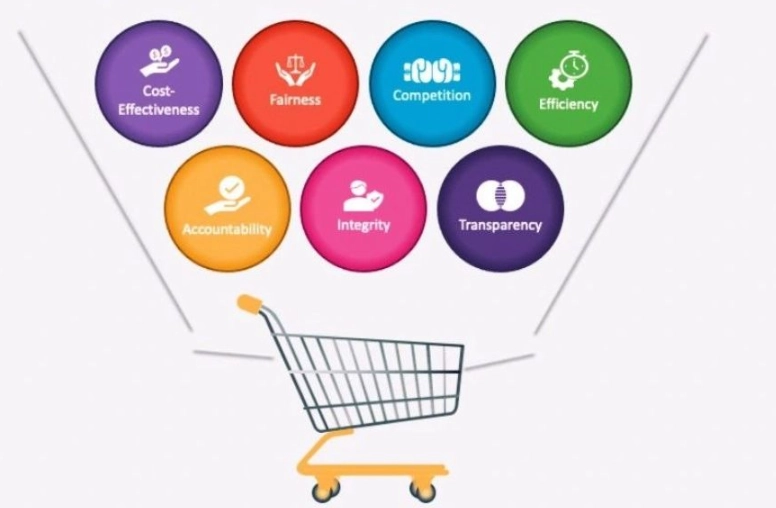
Wrapping It Up: What Procurement Really Means for You
So, what is procurement? By now, I hope you see it’s not a boring administrative function. It’s a strategic capability. Whether you’re a CEO, a department head, or a solo entrepreneur, applying procurement thinking means you stop being just a buyer and start being a value manager.
It means asking tougher questions before you spend: Is this the best total solution? What are the risks? Can we work with this supplier to make both of us better? Are we even buying the right thing, or is there a better way to solve our need?
Ignoring procurement means accepting higher costs, more risk, and less reliability. Embracing it—even in a lightweight, informal way—gives you control, visibility, and a surprising amount of leverage. In today’s world of tight margins and global disruptions, that’s not just good practice; it’s a necessity. Start by looking at your biggest category of spend and ask one simple strategic question about it. That’s your first step beyond purchasing.
Reader Comments