You open your mailbox, see the official envelope from the county, and your stomach drops a little. It's your property tax bill. For many homeowners, it feels like a yearly mystery charge—a number that seems to go up regardless of what you do. I've been through this myself, both as a homeowner and advising clients for over a decade. The confusion around how property taxes are calculated, why they fluctuate, and what you can actually do about it is immense. This guide isn't just a rehash of definitions. We're going to dissect the property tax system, expose the subtle mistakes that cost you money, and lay out a clear, actionable path to ensure you're not overpaying.
Your Roadmap to Property Tax Clarity
How Property Tax Actually Works: It's Not Just About Your Home's Value
Most people think: My home value went up, so my taxes go up. That's only half the story, and focusing solely on that can blind you to the real drivers. Property tax is the primary funding source for local services—schools, police, fire departments, road maintenance, libraries. Your bill is your share of that local budget.
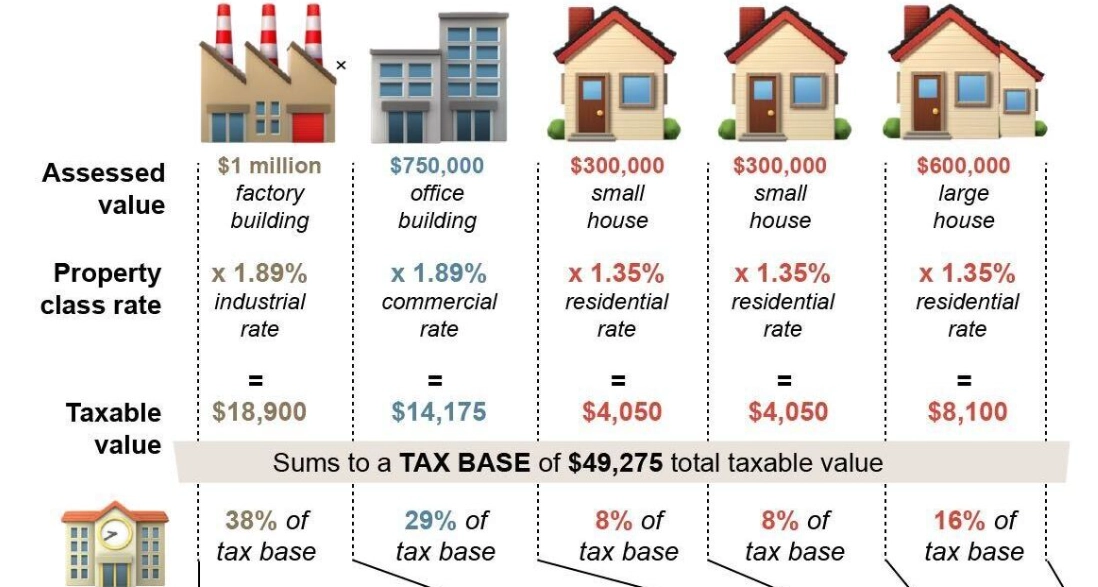
The formula seems simple: Taxable Assessed Value x Tax Rate = Your Tax Bill. But each part of that equation has nuances everyone misses.
Assessed Value vs. Market Value: This is the first big pitfall. Your county assessor doesn't just pull a market value from Zillow. They determine an assessed value, often a percentage of what they deem the fair market value to be. In some areas, it's 100%; in others, it might be 80% or another figure. You need to know your locality's assessment ratio. I've seen homeowners panic because their assessed value is $400,000 while Zillow says $450,000, not realizing the assessment is intentionally lower.
The Tax Rate (Millage Rate): This is the secret lever. The rate is set by local governments (city, county, school district, etc.) and is expressed in "mills" or dollars per $1,000 of assessed value. If the total local budget needs to increase, they can raise the millage rate. Your bill can go up even if your assessed value stays the same. Always check the rate on your bill year-over-year.
How to Calculate Your Property Tax Bill (And Spot Errors)
Let's get practical. Pull out your latest property tax statement. You need to find three numbers: Assessed Value, Exemptions, and the Total Millage Rate.
Here’s a breakdown of a hypothetical bill for a homeowner in "Anytown County":
| Component | Amount/Rate | Notes & Common Errors |
|---|---|---|
| County Assessor's Market Value | $375,000 | This is their opinion of your home's worth. Compare it to recent sales of similar homes, not just online estimates. |
| Assessment Ratio | 90% | Anytown County taxes at 90% of market value. Check your county's website for this ratio. |
| Taxable Assessed Value | $337,500 | ($375,000 x 0.90). This is the base for calculation. |
| Homestead Exemption | -$50,000 | A reduction for primary residences. Did you apply for it? Many forget after buying. |
| Senior/Other Exemptions | $0 | You might qualify for more. Check with your assessor's office. |
| Net Taxable Value | $287,500 | ($337,500 - $50,000). The final value taxes are applied to. |
| County Millage Rate | 4.5 mills | ($4.50 per $1,000) |
| School District Rate | 8.2 mills | ($8.20 per $1,000) |
| Municipal Rate | 2.1 mills | ($2.10 per $1,000) |
| Total Millage Rate | 14.8 mills | Add up all the millage lines on your bill. |
| Annual Property Tax | $4,255 | ($287,500 / 1,000) x 14.8 = $4,255. This matches the bill. |
The most common error I see? Homeowners look at the market value and get angry, but they never verify the exemptions. Did you get your homestead exemption? Is it the correct amount? Call your assessor. The second error is not understanding what "comparable properties" are for an appeal. The assessor uses specific criteria—square footage, age, location, bedroom/bath count. A house that sold for less down the street but is 500 sq ft smaller and hasn't been updated since the 90s is not a good comp.
Proven Strategies to Lower Your Property Tax Bill
You're not powerless. There are legal, effective ways to reduce your burden, both before and after the assessment.
1. Ensure Every Exemption is Applied
This is low-hanging fruit. Homestead exemptions are the big one, but many localities offer breaks for seniors, veterans, disabled persons, or energy-efficient improvements. Don't assume you're getting them. Visit your county property appraiser or assessor's website (like the Los Angeles County Office of the Assessor or the Harris County Appraisal District in Texas) and search for "exemptions." The application process is usually straightforward but not automatic.
2. Review the Assessment Details for Errors
Your assessment notice includes a physical description of your property. Is the square footage correct? The number of bathrooms? Does it list a finished basement or a swimming pool you don't have? A wrong measurement is a direct path to a reduction. I once helped a client who was being taxed for a "bonus room" that was, in reality, an unfinished attic with a low ceiling. We got it removed.
3. The "Fixer-Upper" Argument (Before an Assessment)
If you know a reassessment is coming (often after a sale or major renovation), document needed repairs. Take dated photos of the leaky roof, outdated kitchen, cracked driveway. Present these during an informal review to argue that the market value should be lower due to deferred maintenance. It doesn't always work, but it shows you're informed and can sway an appraiser.
Navigating the Property Tax Appeal Process: A Step-by-Step Guide
You've checked the exemptions, verified the details, and you still believe your assessment is too high compared to similar homes. It's time to appeal. The process varies, but the core principles are universal.
- Step 1: Don't Miss the Deadline. This is critical. You typically have 30-90 days from the date the assessment notice is mailed to file an appeal. Mark this date in your calendar the day you get the notice.
- Step 2: Gather Your Evidence (The Right Way). You need 3-5 sales of comparable homes (comps) from around the same date as the assessment (usually within 6 months). Use your county's public property records or sites like Redfin/Zillow for sales data, but focus on the official recorded sale price. Prepare a simple spreadsheet or document listing the comp addresses, their sale prices, square footage, and key features, showing they sold for less per square foot than your assessed value.
- Step 3: File the Informal Appeal. Most jurisdictions start with an informal review with an appraiser. Be polite, factual, and present your comps. This is a negotiation. Many cases are settled here.
- Step 4: The Formal Hearing. If the informal review fails, you can go to a formal appeal board (like a Board of Equalization or Assessment Appeals Board). This is more formal. Present your evidence clearly. You can hire a property tax consultant or attorney at this stage, but they often charge a contingency fee (a percentage of your first-year's savings).
The biggest mistake in an appeal? Emotion. Saying "I can't afford this" or "It's not fair" gets you nowhere. Stick to the data: "Here are three homes of similar size, age, and location within half a mile that sold for $350,000. My assessment is for $400,000. Please adjust it to be in line with these market transactions."
Your Property Tax Questions Answered
 Are property tax consultants worth it, and how do they get paid?
 Property tax doesn't have to be a black box. By understanding the two-part formula, meticulously checking for errors, and strategically using the appeal process, you shift from passive payer to an informed homeowner. Start with your latest bill. Run the numbers. You might be leaving money on the table for no reason.
Reader Comments