You hear it in movies, read it in books, or maybe a friend just got back from London and said, "It cost me fifty quid." And you're left wondering: how much is a quid, really? It's a simple question with a surprisingly rich answer that goes beyond a basic currency conversion. As someone who's split their life between the US and the UK for over a decade, I've seen the confusion firsthand—and the subtle mistakes people make even after they learn the basic definition.
Let's cut to the chase. One quid is one British pound sterling (GBP). Full stop. It's the UK's equivalent of saying "a buck" for a US dollar. But if we stop there, you're missing the whole story. The real value in understanding "quid" isn't just the math; it's about navigating British culture, avoiding awkward moments, and handling your money smarter, whether you're planning a trip or closing a deal.
What's In This Guide?
What Does "Quid" Actually Mean?
Think of "quid" as a straight swap for the word "pound." It's a slang term, not an official unit. The Bank of England issues pounds, but Brits in pubs, markets, and taxis talk in quid.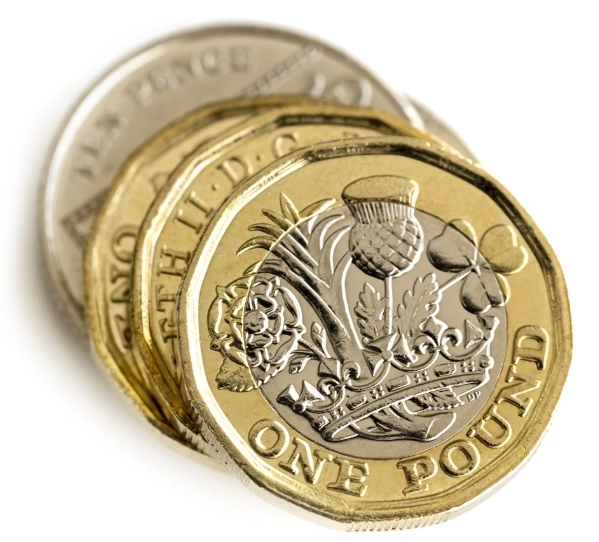
Here’s the first nuance most guides miss: "quid" is both singular and plural. You never say "quids." It's one quid, twenty quid, a hundred quid. I've watched Americans try to pluralize it and get a polite, slightly amused correction. It's a small thing, but getting it right makes you sound like you know the score.
It's also not tied to a specific coin or note. In the 80s, a "quid" was a £1 note. Today, it's a chunky £1 coin. The physical object changes, but the word stays the same.
How Much Is One Quid Worth? (The Practical Answer)
This is where people want a number. The honest answer? It changes every single day. The value of a quid in US dollars, euros, or yen floats on the foreign exchange market. Economic reports, political news, and global events make it dance around.
For years, a rough rule of thumb was £1 = $1.30 USD. But I've seen it dip below $1.20 and climb above $1.40. Relying on an old rate is the fastest way to blow your budget.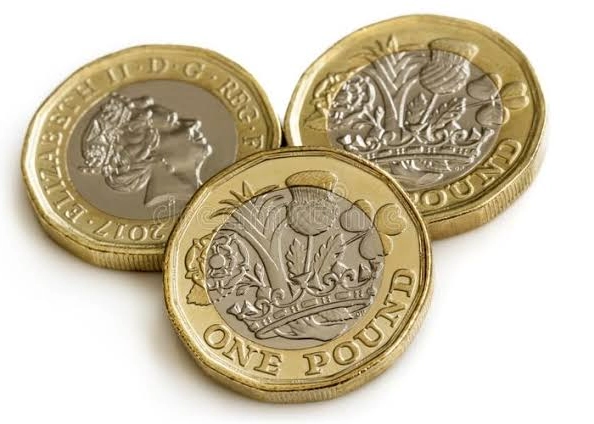
Do this right now: Don't guess. Use a live currency converter from a source like Reuters or XE.com. Type in "1 GBP" and see what it equals in your currency. That's the only number that matters today.
Let's talk about a real-world scenario. You're in a London pub and a pint costs £6.50. That's six quid and fifty pence (or "six fifty"). If the exchange rate is 1 GBP = 1.28 USD, that pint is really costing you about $8.32. Suddenly, that "quid" has a very concrete value.
The Hidden Cost: Dynamic Currency Conversion (DCC)
Here's a pro tip nobody tells you. When paying by card abroad, you might be asked, "Shall I charge you in your home currency?" This is DCC. It sounds convenient but almost always includes a terrible exchange rate and extra fees. You're letting the shop or ATM set the rate, not your bank.
Always, always choose to be charged in the local currency—in pounds, in quid. Let your bank or card provider do the conversion. Their rates are far better. I learned this the hard way after being stung for an extra 5% on a hotel bill.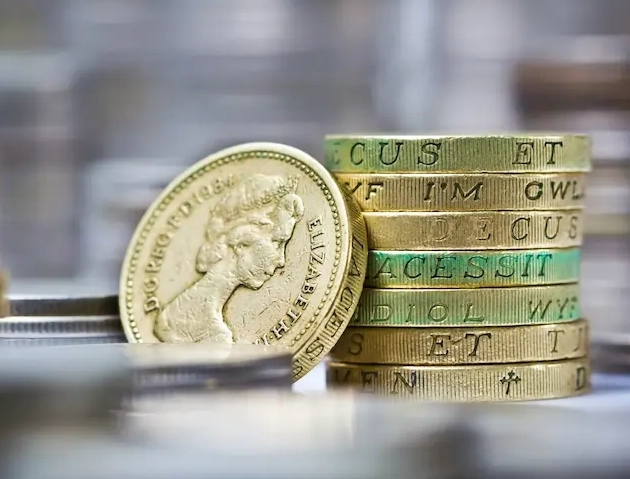
The History of "Quid": Where Did It Come From?
The origin is murky, which makes it fun. The most accepted theory, referenced by the Oxford English Dictionary, points to late 17th-century London. "Quid" is thought to derive from the Latin phrase "quid pro quo," meaning "something for something" or an exchange. It makes sense—money is the ultimate tool of exchange.
It wasn't alone. Other old slang for money included "smackers" and "nicker" (for a pound), but "quid" outlasted them all. It's been in continuous use for over three centuries. That's staying power.
You might also hear "a quid" used in the phrase "quids in," meaning to be in a position of profit or advantage. "He sold his shares early and is quids in now." It's a relic that's still very much alive.
How to Use "Quid" When Traveling in the UK
So you're headed to the UK. How does this "quid" knowledge translate to the streets?
First, you need physical quid. Despite the UK's push towards being cashless, cash is far from dead. Markets, small cafes, independent shops, taxis (especially outside major cities), and tips often require cash. I was caught out at a brilliant rural farmers' market that was cash-only. Withdraw a sensible amount from a bank-affiliated ATM when you arrive.
Second, understand the coins. The pound coin (£1) is a "quid." The smaller coins are pence (p). 100 pence = 1 pound/quid. You'll hear "p" as "pee." So 50p is "fifty pee."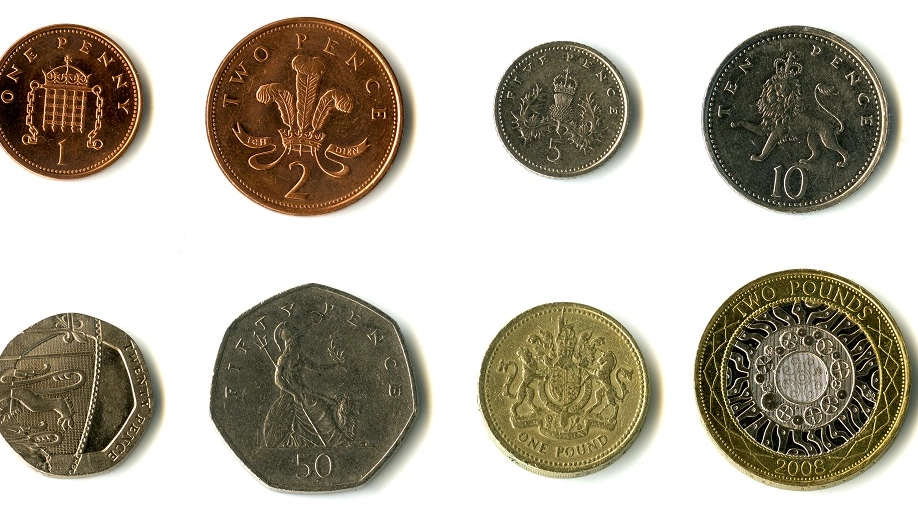
| When to Use "Quid" | When to Use "Pounds" |
|---|---|
| Asking a market stallholder: "How much for this?" "Three quid." | Reading a restaurant's printed menu: "£24.95". |
| Haggling (politely!) at a car boot sale. | Booking a train ticket online. |
| Settling a bill with friends: "You owe me a tenner." (A tenner = £10). | Checking your bank statement. |
| In any casual, spoken conversation. | In any written, formal, or official context. |
My advice? Listen first. You'll hear "quid" everywhere in casual talk. It's perfectly fine to use it yourself when speaking. It signals you're making an effort. Just don't walk into a bank and ask to withdraw "five hundred quid"—stick to "pounds" there.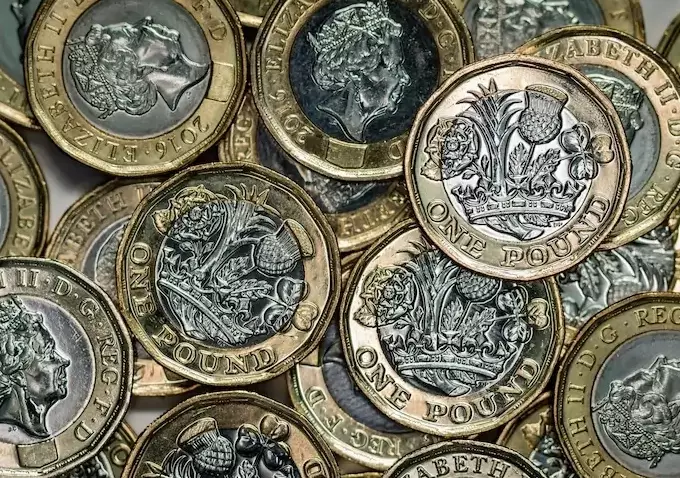
Watch out for "on the quid." This is rare, older slang meaning something is suspicious or dishonest. If someone says a deal seems "a bit on the quid," they think it's shady. You likely won't hear it, but it shows how deep this word goes.
Can You Use "Quid" in Business and Formal Settings?
This is the line in the sand. In 99% of social and travel situations, "quid" is fine. In business, you need to be more careful.
- Internal Chat / Casual Email with Colleagues: "The client lunch came to about thirty quid a head." Acceptable.
- Client Meeting / Presentation: "The projected cost is fifteen pounds per unit." Use "pounds" or "GBP."
- Contract, Invoice, or Legal Document: Must use "Pounds Sterling" or the currency code "GBP." Never "quid."
The risk with "quid" in formal business isn't that you'll be misunderstood—everyone knows what it means. The risk is perception. It can come across as overly casual, unprofessional, or like you're not taking the numbers seriously. In a negotiation, you want the focus on the value, not your choice of slang.
I once sat in a meeting where a young associate kept saying "quid" while the senior British clients said "pound." It created a subtle, unspoken disconnect. Match the formality of the room.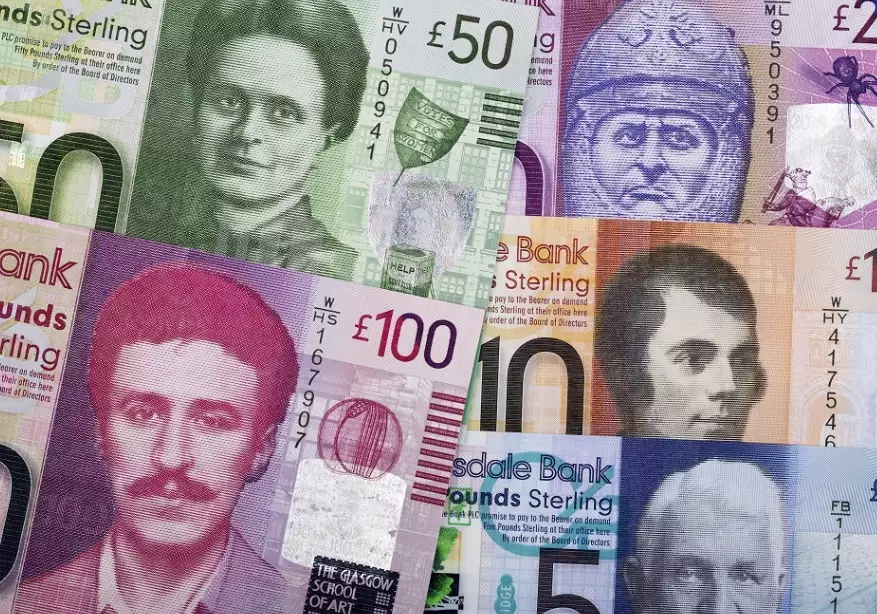
Your Quid Questions, Answered
Is it rude to call pounds "quid" when talking to a British person?
Do Scotland and Northern Ireland use "quid" too?
What's the best way to get quid (physical cash) when I arrive?
Are there other British money slang terms I should know?
So, how much is a quid? On the surface, it's one pound sterling. But truly understanding it gives you more than a number—it gives you a key to everyday life in Britain. It helps you budget accurately, avoid tourist traps with bad exchange rates, and communicate in a way that feels natural, whether you're buying a souvenir or discussing a budget.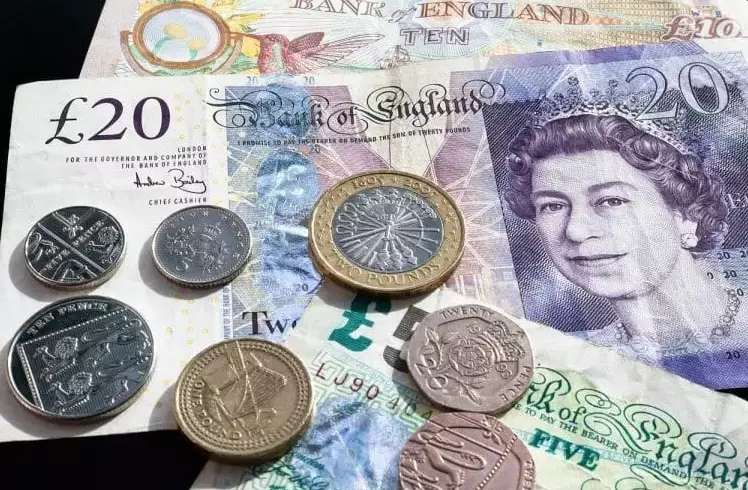
Remember the golden rules: check the live rate, always choose local currency on your card, carry some cash, and let the formality of the situation guide whether you say "quid" or "pound." Now you're not just asking the question—you've got the complete answer.
Reader Comments