Quick Guide
Let's talk about deregulation. It's one of those words you hear thrown around in political debates and financial news, often wrapped in a lot of ideological passion. Supporters paint it as the key to innovation and cheaper prices. Critics warn it's a shortcut to corporate greed and instability. But what does it actually mean for a business, an industry, or you filling up your car?
I remember chatting with a friend who runs a small trucking company. He spent more time, in his words, "wrestling with paperwork and compliance headaches than actually managing his fleet." His frustration was palpable. That's the human side of regulation—and the potential allure of its opposite. Deregulation, at its core, is the process of removing or reducing state regulations, typically in the economic sphere. It's the government stepping back, with the stated goal of increasing efficiency, fostering competition, and letting market forces drive outcomes.
Sounds simple, right? It's anything but. The real story of deregulation is a messy, nuanced tapestry of winners, losers, unintended consequences, and heated academic debate. It's not a magic wand, and it's not universally good or bad. Its impact depends entirely on the context: which rules are removed, how the market is structured, and what safeguards (if any) remain.
Where Did This Idea Come From? A Quick Historical Tour
The modern wave of economic deregulation didn't just pop up out of nowhere. It gained serious intellectual traction in the 1970s, a period of stagflation—that ugly combo of high inflation and high unemployment—that made existing regulatory regimes look ineffective. Thinkers argued that many regulations, often created decades earlier, were protecting established companies from competition rather than protecting the public. They became barriers to entry, not guardians of safety.
So, governments started experimenting. And the results? Well, they gave us some of the most famous—and debated—case studies in modern economics.
The Airline Industry: The Poster Child
Before 1978, the U.S. Civil Aeronautics Board (CAB) controlled everything: which airlines could fly which routes, and even what they could charge. It was a cozy system. Then the Airline Deregulation Act passed. The CAB was phased out. The gates flew open.
What happened? Fares plummeted for major routes. Air travel went from a luxury to a commodity. New airlines sprung up, offering no-frills, point-to-point service. Consumers loved the lower prices and increased options. But there was a flip side. The fierce competition led to brutal price wars, bankruptcies, and consolidation. Today, the U.S. airline industry is dominated by a handful of major carriers. Service to smaller, less profitable cities often suffered, sometimes requiring subsidy programs. The workforce faced wage pressures and less stable employment. It's a classic tale: massive consumer benefit on price and choice, but significant turbulence for the industry structure and its workers.
Telecommunications: Wires, Waves, and the World Wide Web
The breakup of AT&T's monopoly in 1984 is another landmark. The old "Ma Bell" system was a regulated monopoly—one company providing everything. Deregulation (via an antitrust settlement) shattered it into regional "Baby Bells" and opened the long-distance market.
The initial goal was to spur competition in phone service. But the ripple effects went much further. It created a fractured landscape that, arguably, allowed for the rapid innovation in telecom infrastructure that later enabled the internet boom. Could the internet have grown as fast under a single, monolithic telecom provider? Many economists doubt it. This case shows how deregulation can sometimes unlock technological innovation in unpredictable ways.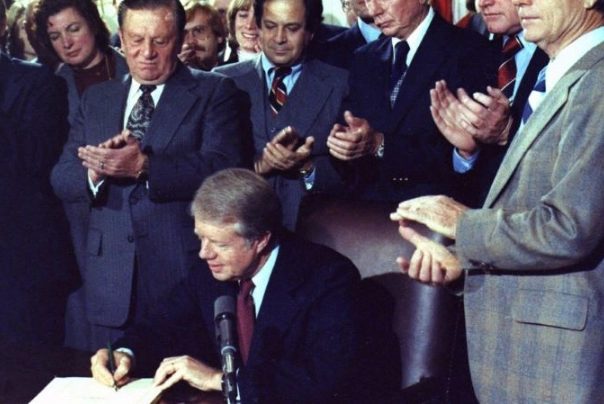
The Big Debate: Weighing the Promise Against the Peril
Let's get into the meat of it. Why do people fight so fiercely about this? Because the stakes are high, and the evidence is mixed. It's not a clean report card.
Here’s a blunt table breaking down the core arguments. You’ll see they often talk past each other, focusing on different outcomes.
| Promised Benefits (The Pro-Deregulation Argument) | Potential Drawbacks & Criticisms |
|---|---|
| Lower Prices for Consumers: Increased competition should force companies to cut costs and pass savings on. We saw this starkly with airlines and long-distance calls. | Race to the Bottom: Competition on price can lead to cuts in safety, wages, service quality, and investment. See: some outsourcing practices. |
| Increased Innovation & Choice: Freed from rigid rules, companies can experiment with new business models, products, and services. The telecom boom is a key example. | Market Concentration & Monopolies: Paradoxically, fierce competition can lead to bankruptcies and mergers, leaving a few powerful players (oligopolies) that then have significant pricing power. |
| Higher Economic Efficiency: Resources (capital, labor) theoretically flow to their most productive uses, not where regulations dictate. This can boost overall economic growth. | Negative Externalities Ignored: Markets often fail to account for costs like pollution, systemic risk, or consumer deception. The 2008 financial crisis is frequently cited as a failure of financial deregulation. |
| Reduced Burden on Business: Less red tape means lower compliance costs, especially for small businesses and startups. This can encourage entrepreneurship. | Erosion of Public Protections: Regulations exist for reasons—health, safety, environmental protection, fair markets. Removing them can expose the public to harm. |
| Greater Consumer Sovereignty: The idea is that you, the consumer, get to decide what’s important (price vs. service vs. ethics) through your purchases. | Information Asymmetry: Do consumers really have perfect information to make those choices? In complex areas like finance or healthcare, probably not. |
My own take? The most successful deregulation efforts seem to be those that move from “command-and-control” to a smarter, more flexible regulatory framework. It’s not about having no rules. It’s about having better rules. The worst outcomes happen when oversight is stripped away in complex, systemically important industries where short-term profit motives can create long-term disasters for everyone.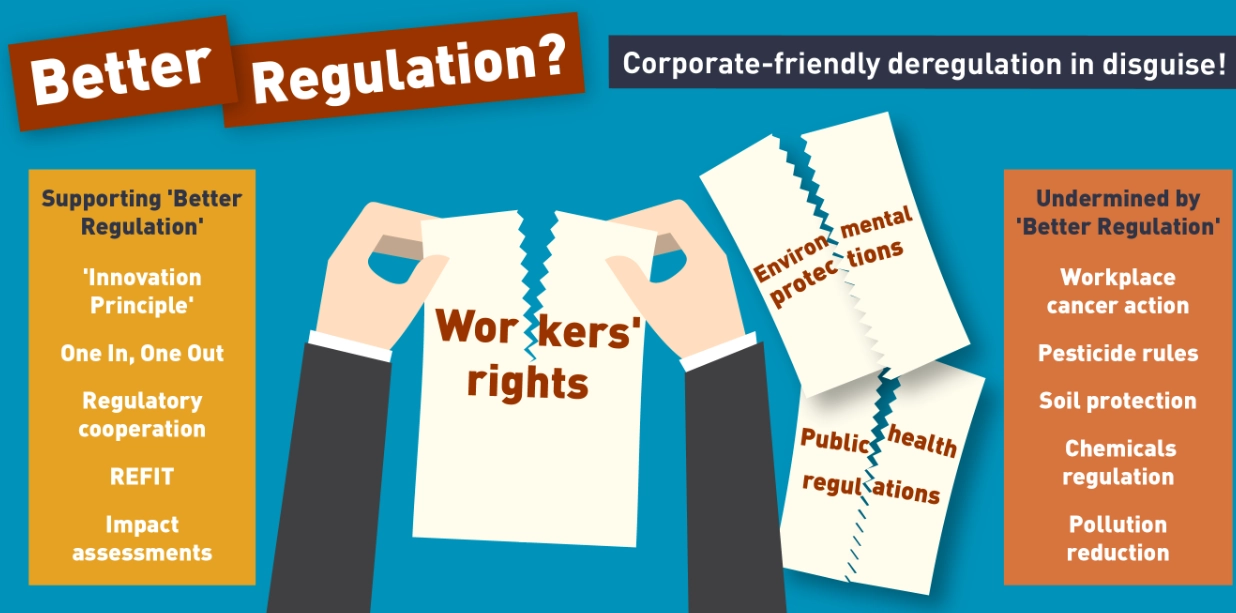
So You Want to Deregulate? It's Not Just Flipping a Switch
If a government or agency is considering a deregulatory move, how should it proceed? Based on past attempts, both successful and failed, here’s a more sensible path than just slashing rules.
First, you have to ask the hard questions. What is the specific problem this regulation is supposed to solve? Is it still a problem? Is the regulation actually solving it, or is it creating new, worse problems? You need a cost-benefit analysis that looks beyond just corporate balance sheets to include social and environmental costs.
Second, consider the market structure. Deregulating a market dominated by one or two players is a recipe for disaster—you’re just handing them more power. Sometimes, you need antitrust action before or alongside deregulation to ensure competition can actually flourish.
Third, think about transition and safety nets. When the airline industry was deregulated, it created chaos for workers and small cities. A gradual phase-in or accompanying policies to cushion the blow might have led to fairer outcomes. You can't just change the rules of the game overnight and expect everyone to adapt seamlessly.
It’s about smart design, not ideological purity.
Deregulation in the Real World: Beyond Theory
Let’s get concrete. Where is the debate over deregulation hottest today?
- The Gig Economy: Companies like Uber and Airbnb famously built their models by operating in regulatory gray areas (or outright violating existing rules for taxis and hotels). Was this a form of disruptive innovation that outdated regulations stifled? Or was it an unfair avoidance of rules that protect workers and neighbors? The battle is ongoing in city halls worldwide.
- Energy & Environment: This is a massive one. Rolling back environmental regulations on emissions, drilling, or pollution is often advocated to reduce costs for industry and, theoretically, energy prices. The counter-argument is the immense long-term cost of climate change and health impacts. It’s a direct clash between short-term economic activity and long-term planetary stability.
- Healthcare: Proposals often focus on reducing barriers to entry for insurance providers across state lines, or loosening rules on what plans must cover. The hope is more choice and lower premiums. The fear is a return to the days of policies that fail when people get sick, and a fraying of risk pools.
I’ve spoken to a restaurant owner who said health inspection simplifications saved her business hours of pointless paperwork each week. But I’ve also read heartbreaking accounts from communities near industrial sites where environmental deregulation correlated with increased pollution and health problems. The truth is always local and specific.
Answering Your Burning Questions
You’ve probably got questions. Here are some straight answers to common ones.

Looking Ahead: The Future of the Deregulation Debate
The conversation isn't ending. It's evolving. Two huge forces are reshaping it: technology and globalization.
Technology moves faster than any legislature. Regulating social media, AI, cryptocurrency, or biotech feels like trying to build a fence around a tornado. There’s a strong argument for a lighter touch initially to avoid stifling innovation we can't yet foresee. But there's also a terrifying potential for harm if these technologies are left completely unchecked. It’s the ultimate deregulation dilemma playing out in real-time.
Globalization adds another layer. If one country deregulates its environmental or labor standards to attract business, it creates a "race to the bottom" pressure on others. This makes unilateral deregulation risky. The future might be less about "more" or "less" regulation, and more about international coordination to create common standards—a form of re-regulation on a global scale.
The story of deregulation teaches us that context is king. It's a powerful tool with a mixed legacy. Used wisely in the right markets, it can unlock prosperity and innovation. Applied recklessly, especially in markets prone to failure, it can undermine stability, fairness, and public trust. The real work isn't in picking a side in the shouting match. It's in the unglamorous, detailed work of figuring out, rule by rule and market by market, what actually works for people.
Reader Comments