Your Quick Navigation Guide
- What Exactly Is a Tenancy in Common?
- How Tenants in Common Actually Works in Practice
- The Critical Difference: Tenants in Common vs. Joint Tenancy
- The Real Pros and Cons Nobody Talks About
- When Using a Tenancy in Common Makes Perfect Sense
- Common Pitfalls and How to Sidestep Them
- A Real-World Case Study: The Good, The Bad, The Ugly
- Your Burning Questions Answered
Let's cut to the chase. You're probably reading this because you're thinking about buying a house with a partner, a group of friends, or maybe family members. It's exciting. It's also a legal and financial minefield if you don't get the ownership structure right. I've seen too many people jump in without understanding the tools available, and trust me, the cleanup is never pretty. The term you need to get comfortable with is tenants in common (TIC). It's not just legalese; it's the framework that dictates what happens to your share of the property if you want out, if you pass away, or if things go south with your co-owners.
I'm not a lawyer, but I've been through this process multiple times as an investor and have advised dozens of clients. The biggest mistake I see? People assume all co-ownership is the same. It's not. Choosing the wrong type can cost you tens of thousands and create family rifts that last decades.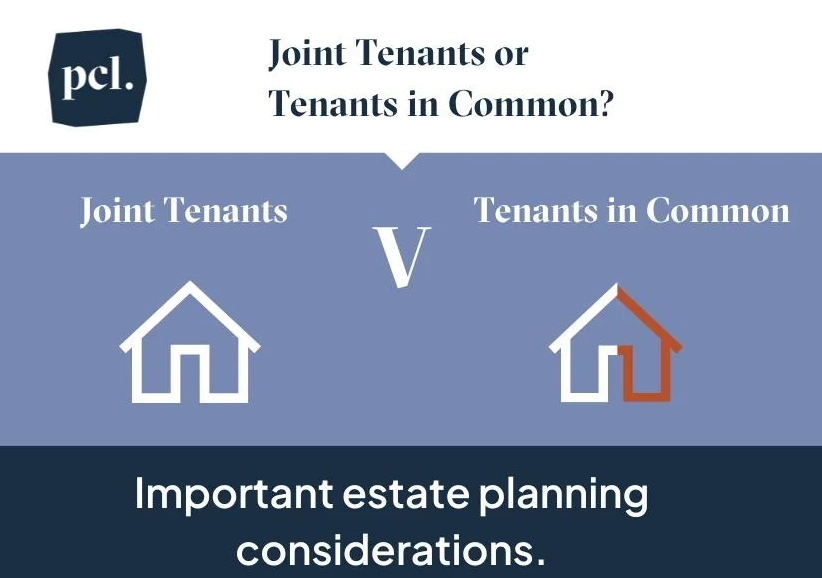
What Exactly Is a Tenancy in Common?
In simple terms, a tenancy in common is a form of property co-ownership where two or more people hold title to a single piece of real estate. Here's the crucial part: each owner holds a distinct, separate, and transferable share. Those shares don't have to be equal. One person could own 70%, another 20%, and a third 10%. This flexibility is its superpower.
Think of it like owning slices of a pizza. If there are four of you, you might not each get a quarter. One person who put up most of the down payment might get half the pizza (50%), two others get a quarter each (25% and 15%), and the last gets a tenth (10%). Each of you owns your specific slice outright. You can sell it, mortgage it, or leave it to someone in your will without needing permission from the other pizza owners. That's the core idea.
How Tenants in Common Actually Works in Practice
Okay, so you own a "slice." What does that actually mean on a Tuesday afternoon when the roof leaks?
Ownership and Title
The deed to the property will list all owners and, critically, their respective ownership percentages. This isn't a suggestion; it's a legal fact recorded with the county. For example: "Jane Doe, a 60% interest, and John Smith, a 40% interest, as tenants in common."
Rights to Possession
This trips up a lot of folks. Even though Jane owns 60% and John owns 40%, they both have an equal right to possess and use the entire property. John can't be told to stay only in 40% of the living room. This "right of possession" is undivided. The division is in the financial interest, not the physical space.
Financial Responsibilities
Here's where the percentages really matter. Unless you have a separate agreement saying otherwise, expenses like the mortgage, property taxes, insurance, and major repairs are typically split according to ownership share. Jane pays 60% of the new water heater, John pays 40%. Income, like rent from a tenant, is also split the same way.
But let me share a personal observation: never, ever rely on "typically." I once saw a deal where three friends bought a vacation cabin. Two lived locally and used it more, so they verbally agreed to pay a larger share of utilities and upkeep. When they fell out, the third owner successfully sued for a refund of all expenses paid above his 33.3% ownership share, because the deed didn't reflect their casual agreement. The lesson? Get it in writing.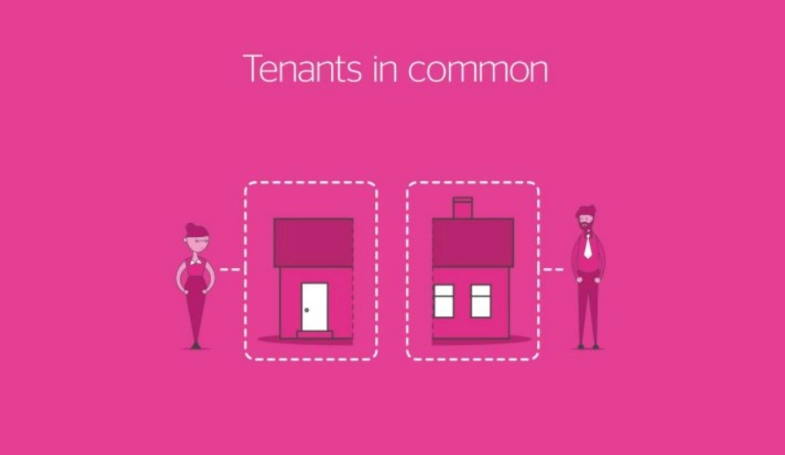
The Critical Difference: Tenants in Common vs. Joint Tenancy
This is the most important comparison you'll make. Most people have heard of "joint tenancy," often used by married couples. The differences are profound and dictate what happens when an owner dies.
| Feature | Tenants in Common (TIC) | Joint Tenancy with Right of Survivorship |
|---|---|---|
| Ownership Shares | Can be unequal (e.g., 70/30). | Must be equal (50/50 for two people). |
| Right of Survivorship | NO. Your share passes via your will or state intestacy laws. | YES. The deceased owner's share automatically transfers to the surviving owner(s). |
| Transferring Your Share | You can sell or gift your share during your lifetime without others' consent (though they may have a right of first refusal). | You cannot unilaterally break the joint tenancy; selling your share usually converts it to a tenancy in common. |
| Ideal For | Unmarried partners, friends, business partners, investors with unequal contributions, estate planning to leave property to children. | Married couples, family members who want automatic inheritance. |
See that Right of Survivorship line? That's the deal-breaker. In a joint tenancy, when one owner dies, the property instantly and completely belongs to the surviving owner(s). It bypasses the will entirely. In a tenancy in common, your 40% slice is part of your estate. It goes to your spouse, your kids, your favorite charity—whoever you named in your will. If you die without a will (intestate), state law decides, which can be a nightmare.
A subtle point most guides miss: the deed language is everything. It must explicitly say "joint tenants with right of survivorship" to create that feature. If it just lists two names without a designation, many states will presume it's a tenancy in common. Don't presume. Be explicit.
The Real Pros and Cons Nobody Talks About
Let's get beyond the textbook list.
The Underrated Advantages
- Estate Planning Power: This is the big one. You can leave your share to multiple people. Want to leave your 50% of the family lake house equally to your three kids? With TIC, you can. With joint tenancy, you can't.
- Financial Fairness: It perfectly mirrors unequal investments. If your sibling can only afford 20% of the down payment for a parent's home, TIC makes that clean and legal.
- Exit Flexibility: You have a clear, sellable asset. If you need cash or want out, you can market your percentage interest (though finding a buyer for a partial interest is its own challenge).
The Brutal Disadvantages (The Fine Print)
- The "Partition Action" Sword of Damocles: Any co-owner can file a partition lawsuit to force the sale of the entire property. If one owner wants out and the others can't or won't buy them out, a judge can order the house sold at auction. You lose control.
- Financing Headaches: Getting a mortgage as tenants in common can be harder. Lenders see more risk. If one owner defaults, foreclosing on just their share is messy. Often, all owners must be on the loan, meaning everyone's credit is on the line.
- Management Gridlock: What if you need a new roof and the owner with a 10% share refuses to pay? You might have to sue them for their share of the cost. Daily decisions require cooperation that may not exist in 5 years.
When Using a Tenancy in Common Makes Perfect Sense
It's not for every situation. Here are the scenarios where it shines.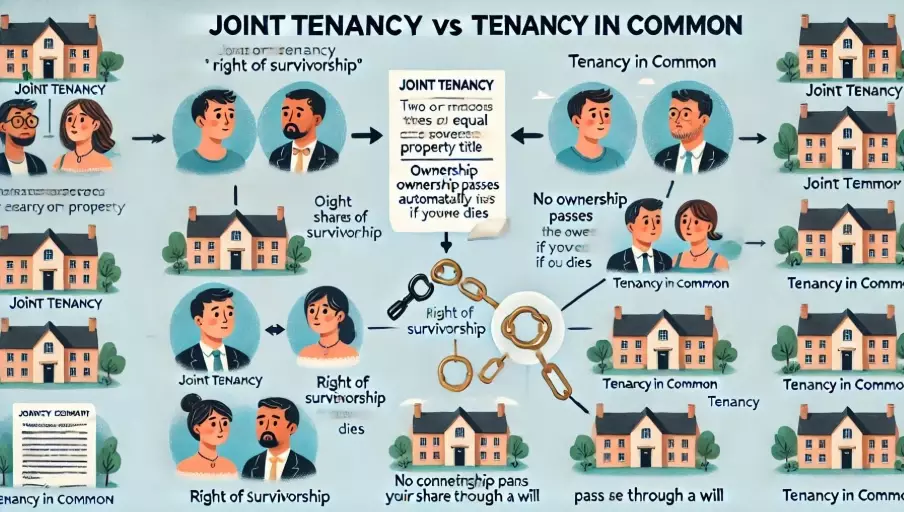
Scenario 1: The Unmarried Couple. Sarah and Tom buy a house. Sarah's parents gift $50,000 for the down payment. They use a TIC deed where Sarah owns 60% and Tom owns 40%, reflecting that initial contribution. They also sign a detailed cohabitation agreement covering what happens if they split up.
Scenario 2: The Sibling Investment Property. Three siblings inherit some money and buy a rental condo. One is a hands-on property manager, so they take a larger share of the profits and responsibilities via a 40/30/30 TIC split, documented in a separate operating agreement.
Scenario 3: The Multi-Generational Estate Plan. An elderly father owns a valuable plot of land. He wants it to go to his four children equally upon his death. He sells/gifts them the property as tenants in common, each with a 25% share, while retaining a life estate for himself. This avoids probate and sets clear ownership for the next generation.
Common Pitfalls and How to Sidestep Them
I've made some of these mistakes so you don't have to.
Pitfall 1: No Written Co-Ownership Agreement. The deed sets the legal ownership, but it says nothing about how you'll run the place. You need a separate, bulletproof contract. It should cover: how decisions are made (majority vote? unanimous?), procedure for buying out an owner, dispute resolution (mediation first!), how to handle an owner who stops paying, and rules for use of the property.
Pitfall 2: Not Updating Your Will. If you're a tenant in common, your will must specifically address your share of the property. If your will just says "I leave everything to my spouse," that works. But if it's outdated or vague, you're inviting a court battle.
Pitfall 3: Assuming Everyone Has the Same Goals. One owner might see it as a forever home, another as a 5-year investment. Discuss this before you buy. Put your agreed-upon investment horizon in the co-ownership agreement.
A Real-World Case Study: The Good, The Bad, The Ugly
Let's walk through a real example I was close to.
The Setup: Alex, Bailey, and Chris (friends) bought a downtown duplex in 2015 as tenants in common (33/33/34). They had a basic agreement and planned to rent both units. Chris, the 34% owner, was the designated manager.
The Good: The TIC structure allowed Chris to put in extra cash for renovations in exchange for a slightly larger share. It was fair and clear.
The Bad: In 2020, Chris lost his job and moved across the country. He stopped actively managing the property. Alex and Bailey were stuck handling midnight tenant calls. Their agreement didn't specify consequences for a non-performing manager.
The Ugly: In 2022, Chris needed cash and demanded a buyout at a valuation Alex and Bailey thought was inflated. Negotiations broke down. Chris filed a partition action to force a sale. The legal fees were staggering. The property eventually sold at a hurried auction price below market value. The friendship was destroyed, and everyone lost money.
The Lesson: Their TIC structure wasn't the problem; their lack of a detailed, forward-looking operating agreement was. It needed clauses for manager compensation, a buyout formula (e.g., based on an appraisal), and a mandatory mediation step before any lawsuit.
Your Burning Questions Answered
 How do we sell the property if we all agree?
Look, tenants in common is a powerful, flexible tool. It enables deals and arrangements that would otherwise be impossible. But it's not a casual commitment. It's a business partnership tied to a major asset. The single best piece of advice I can give you is this: the deed establishes the "what," but a comprehensive co-ownership agreement defines the "how." Do not skip the second part. Spend the $1,500-$3,000 on a real estate attorney to draft one. That cost is nothing compared to the cost of untangling a failed TIC arrangement without one.
It lets you plan for success while building a fortress against potential disaster. That's how you use tenants in common not just to own property, but to build and protect wealth.
Reader Comments