Let's talk about silver futures. Forget the complex jargon for a second. At its core, it's a contract—an agreement to buy or sell a specific amount of silver at a set price on a future date. It's not about taking delivery of a truckload of silver bars (though you could). For most, it's a powerful tool for speculation or hedging, offering leverage and liquidity that physical silver or ETFs can't match. I've seen traders make smart plays and lose shirts. The difference often comes down to understanding the mechanics before hitting the buy button.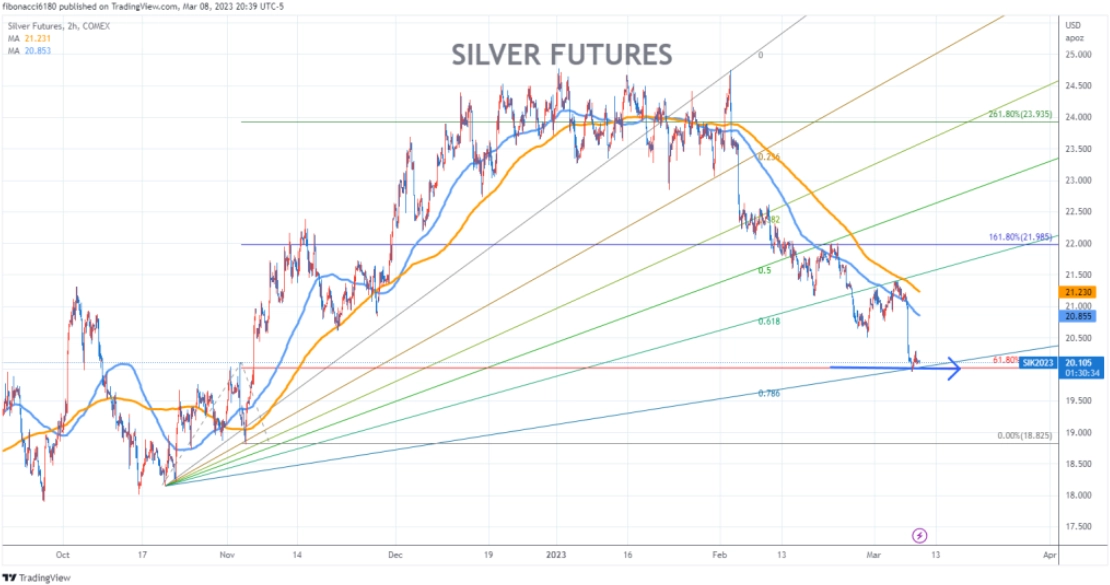
What’s Inside This Guide
What Exactly Are Silver Futures Contracts?
When you trade a silver future, you're making a deal on the COMEX (Commodity Exchange), which is part of the CME Group. The standard contract is for 5,000 troy ounces. That's a lot of silver—worth over $140,000 at $28 per ounce. You're not putting up that full amount. That's where margin comes in, which we'll get to.
People use these contracts for two main reasons. First, speculation: betting on the price direction. If you think inflation will surge and industrial demand will pick up, you might buy a contract. Second, hedging: a jewelry manufacturer might sell futures to lock in a price, protecting themselves if silver gets more expensive later.
Here's a mistake I see constantly: beginners confuse futures with buying physical silver or a silver ETF like SLV. They're worlds apart. With an ETF, you own shares of a fund that holds metal. The price tracks spot silver, period. With a futures contract, you have an obligation with an expiration date. Time becomes a critical, often overlooked, enemy or ally.
How Do Silver Futures Work? (The Nuts and Bolts)
Let's make it concrete. Imagine it's June, and the December silver futures contract is trading at $28.50 per ounce.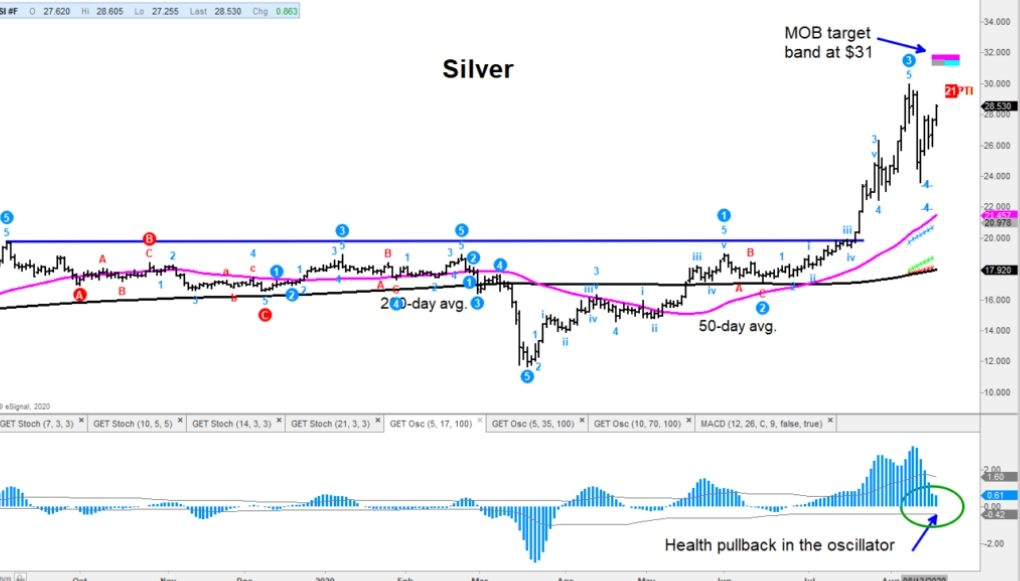
If you go long (buy) one contract, you're agreeing to buy 5,000 oz of silver in December for $28.50/oz, regardless of the market price then. Your broker will require an initial margin—think of it as a security deposit. For a mini silver contract (1,250 oz), this might be $3,500. For the full-sized contract, it's more.
Now, the price moves. If December silver rises to $30, your contract gains value. You can sell it before December, pocketing the profit. If it falls to $27, you face a loss. If losses eat into your maintenance margin (a level below the initial margin), you'll get a margin call—a demand to add more cash immediately or your position gets closed at a loss.
This leverage is the double-edged sword. A 5% move in silver prices can mean a 25-30% move in your trading capital. Exciting? Sure. Dangerous? Absolutely.
| Contract Specification | COMEX Silver (Full-Sized) | COMEX Mini-Silver |
|---|---|---|
| Ticker Symbol | SI | SIL |
| Contract Size | 5,000 troy ounces | 1,250 troy ounces |
| Price Quotation | U.S. cents per ounce | U.S. cents per ounce |
| Minimum Tick | $0.005 per ounce ($25 per contract) | $0.005 per ounce ($6.25 per contract) |
| Typical Initial Margin* | ~$12,000 - $18,000 | ~$3,000 - $4,500 |
| Settlement | Physical delivery or cash | Physical delivery or cash |
*Margin requirements change daily based on volatility. Check your broker or the CME Group website for current rates.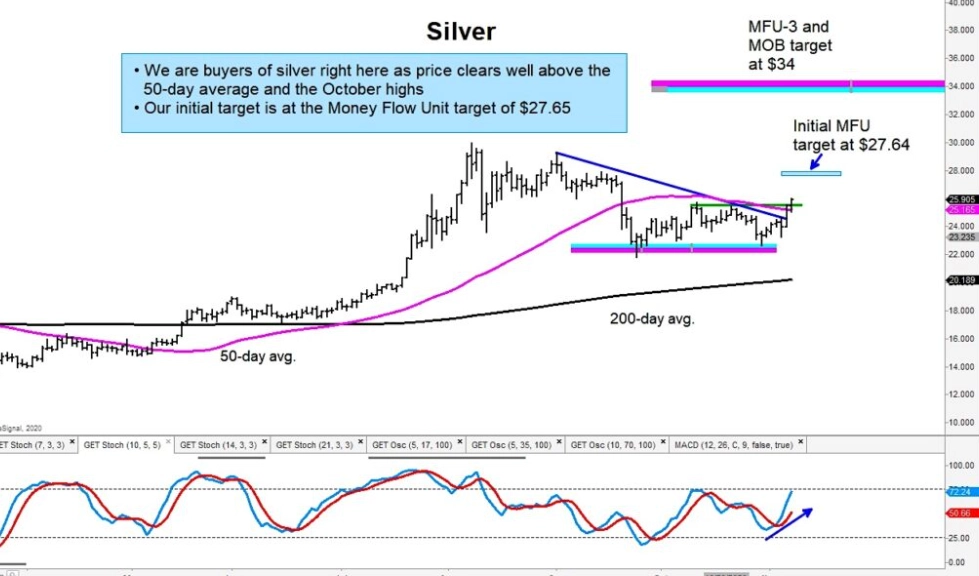
Common Trading Strategies for Silver Futures
Jumping in without a plan is asking for trouble. Here are frameworks people use, beyond just "buy low, sell high."
Trend Following with Moving Averages
This is straightforward. You watch the 50-day and 200-day moving averages. When the 50-day crosses above the 200-day (a "golden cross"), it suggests a long-term uptrend might be starting—a potential buy signal. The opposite is a "death cross." It's lagging, but it filters out a lot of market noise. The trick is being patient enough to wait for the signal and disciplined enough to accept it's not perfect.
Playing the Gold-Silver Ratio
This is a classic macro trade. The ratio tells you how many ounces of silver it takes to buy one ounce of gold. Historically, it averages around 60:1. When it spikes to 80 or 90 (like it has at times), silver is historically cheap relative to gold. Traders might sell gold futures and buy silver futures, betting the ratio will revert to the mean. It's a pairs trade that focuses on relative value, not outright direction.
Calendar Spreads (A Lower-Risk Approach)
This is where you simultaneously buy a contract in one month and sell a contract in another month. For example, buy December and sell March. You're betting on the difference between these contract prices (the spread) to widen or narrow, often due to interest rates and storage costs (contango). It's usually less volatile and requires less margin than an outright long or short position. It's a sophisticated move, but it's how commercial players often operate.
How to Start Trading Silver Futures: A Step-by-Step Walkthrough
Let's assume you're not a hedge fund. Here's how a retail trader gets into the game.
Step 1: Education and Paper Trading. Don't skip this. Use a platform like Thinkorswim (from TD Ameritrade, now Charles Schwab) or NinjaTrader that offers a robust paper trading feature. Simulate trades for at least a month. Get a feel for the platform, order types, and how margin flows in and out. Experience a virtual margin call. It's free tuition.
Step 2: Choosing a Futures Broker. Not all stock brokers offer futures. You need one with specific futures trading permissions. Look at commissions, margin rates, and platform quality. Interactive Brokers, Charles Schwab, and NinjaTrader Brokerage are major players. Call their support. Ask how they handle fast-moving markets and margin calls. Their response time tells you a lot.
Step 3: Funding Your Account and Understanding Margin. You'll need more than the minimum initial margin. If a contract requires $4,000 margin, start with at least $8,000-$10,000 in your account. This buffer is your life raft. Your broker's platform will clearly show your "Available Margin" and "Maintenance Margin." Watch them like a hawk.
Step 4: Placing Your First Trade. Start small. Use a mini contract (SIL). Decide on your entry, your profit target, and—most importantly—your stop-loss level before you click anything. Use limit orders, not market orders, to control your entry price. Enter the trade size (1), select the contract month (e.g., Dec 2024), and choose "Buy" or "Sell." Hit transmit. Your position will appear in your portfolio, showing your unrealized P&L in real time.
The Non-Negotiable: Risk Management in Silver Futures
This is where careers are made and ended. My single biggest piece of advice: Never risk more than 1-2% of your total trading capital on any single trade.
How does that work? Say you have a $20,000 account. 2% is $400. If you buy a mini silver contract at $28.50 and place a stop-loss at $27.90, that's a $0.60 risk per ounce. On a 1,250 oz contract, that's a $750 total risk. That's more than your $400 limit. So, you shouldn't take the trade, or you need to find a different entry or stop level that brings the risk down.
Always use a stop-loss. Not a mental one—an actual resting order in the market. Silver can gap overnight on economic news from China or a Fed announcement. Your mental stop won't save you.
Finally, beware of contract rollover. As your contract nears expiration, you need to sell it and buy the next month's contract to maintain your position. This creates a transaction cost and can mess with your strategy if not planned.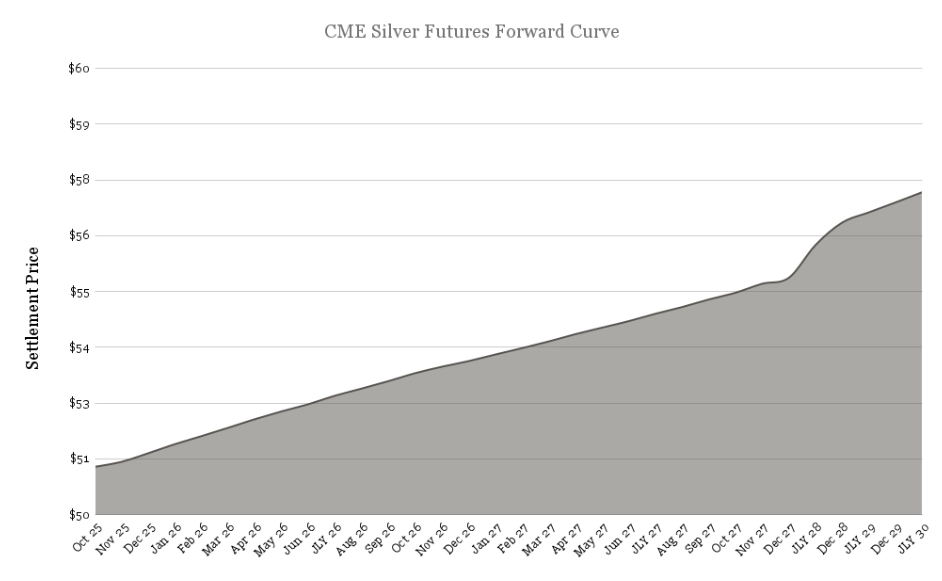
Your Silver Futures Questions, Answered
 Is trading silver futures better than buying a silver ETF for long-term investment?
Reader Comments