Shorting a stock sounds simple—bet against a company, profit if it falls—but in reality, it's a high-stakes game where most beginners get burned. I've traded for over a decade, and I've seen too many people dive in without grasping the nuances. Let's cut through the noise. Short selling involves borrowing shares, selling them, hoping the price drops, then buying them back cheaper to return to the lender. It's a way to profit from decline, but the risks can be unlimited. In this guide, I'll walk you through everything, from the basic mechanics to the hidden pitfalls, so you can decide if it's right for your portfolio.
What You'll Learn in This Guide
- What Is Shorting a Stock? (And Why It's Not for Everyone)
- How Short Selling Works: A Step-by-Step Breakdown
- The Risks of Shorting: Why You Could Lose More Than You Invest
- When Does Shorting Make Sense? (Real-World Examples)
- How to Execute a Short Sale: Practical Tips
- Common Pitfalls and How to Sidestep Them
- FAQ: Your Top Questions Answered
What Is Shorting a Stock? (And Why It's Not for Everyone)
At its core, shorting a stock is a bet that a company's share price will go down. You borrow shares from a broker, sell them at the current market price, and later buy them back (hopefully at a lower price) to return them. The difference is your profit—or loss. But here's the kicker: while buying stocks has limited risk (you can only lose what you invest), shorting has theoretically unlimited risk. If the stock price rises instead of falls, you keep losing money until you cover your position.
I remember a friend who shorted Tesla in 2020, convinced it was overvalued. The stock kept climbing, and he faced margin calls that wiped out his account. That's the reality. Shorting isn't for the faint-hearted; it requires a deep understanding of market dynamics and risk management. According to the U.S. Securities and Exchange Commission (SEC), short selling can increase market liquidity but also amplifies volatility. So, before you even think about it, ask yourself: are you prepared for the downside?
The Basic Mechanics in Plain English
Let's break it down without jargon. Imagine you borrow 100 shares of Company XYZ from your broker, sell them for $50 each ($5,000 total). Later, if the price drops to $40, you buy back 100 shares for $4,000, return them to the broker, and pocket $1,000 profit (minus fees). But if the price rises to $60, you need $6,000 to buy back, losing $1,000. Simple math, but emotions and market moves complicate things.
How Short Selling Works: A Step-by-Step Breakdown
Executing a short sale isn't as straightforward as clicking "buy." Here's a detailed walkthrough based on my experience with platforms like Interactive Brokers and Fidelity.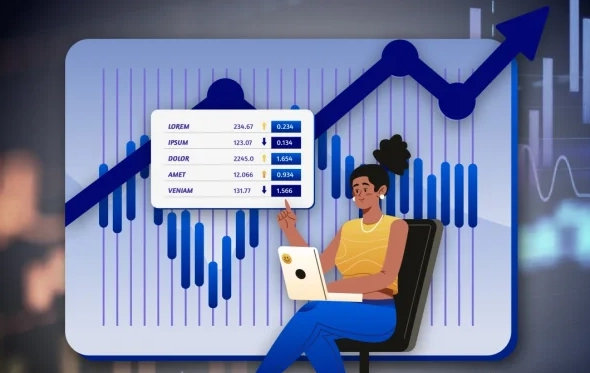
Step 1: Setting Up Your Account
You need a margin account, not a cash account. Brokers require this because shorting involves borrowing. Approval can take a few days, and they'll check your financials and risk tolerance. Don't skip this—I've seen people get rejected for insufficient assets.
Step 2: Borrowing the Shares
Your broker loans you shares from their inventory or other clients. Not all stocks are available to short; highly liquid ones like Apple or Amazon are easier, but small-caps might be hard to borrow. You'll pay a borrow fee, usually a small percentage annually, but it can spike during high demand.
Step 3: Selling the Shares
Once borrowed, you sell them at the market price. The proceeds go into your account, but you can't withdraw them—they're collateral. This is where many get confused; you're not "owning" anything yet.
Step 4: Monitoring and Covering
You wait for the price to drop. If it does, you buy back the shares to close the position. If it rises, you might face a margin call, requiring more cash to maintain the position. Always set a stop-loss; I learned this the hard way when a biotech stock surged on FDA news.
Here's a table comparing key aspects of shorting vs. buying stocks:
| Aspect | Shorting a Stock | Buying a Stock |
|---|---|---|
| Risk | Unlimited (price can rise indefinitely) | Limited to investment amount |
| Profit Potential | Capped at 100% if stock goes to zero | Unlimited (price can rise indefinitely) |
| Time Horizon | Often short-term due to costs and risks | Can be long-term |
| Costs | Borrow fees, interest, dividends | Commission, minimal fees |
| Suitability | Experienced traders, hedgers | Beginners to experts |
The Risks of Shorting: Why You Could Lose More Than You Invest
This is the part most guides gloss over. Shorting carries unique risks that can decimate your capital if ignored.
Unlimited Loss Potential: If a stock you shorted keeps rising, your losses grow without a ceiling. Imagine shorting GameStop at $20 before the 2021 squeeze—it hit $483, and many hedge funds lost billions. You'd need endless capital to cover.
Short Squeezes: When a heavily shorted stock rises, short sellers rush to buy back, driving the price higher in a feedback loop. It's like a panic attack in the market. The SEC notes that short squeezes can lead to extreme volatility, as seen with AMC and other meme stocks.
Borrow Costs and Dividends: You must pay any dividends issued by the stock you shorted. Plus, borrow fees can vary; during high demand, they can exceed 50% annually, eating into profits.
Margin Calls: Brokers can force you to add funds or close positions if the stock moves against you. I've had positions liquidated overnight because I didn't monitor closely enough.
Expert Insight: In my view, the biggest risk isn't the market—it's psychology. Shorting requires contrarian thinking, and most investors are wired to be optimistic. When a trade goes south, the temptation to "double down" can lead to ruin. Always size your positions small; never risk more than 2-5% of your portfolio on a single short.
When Does Shorting Make Sense? (Real-World Examples)
Shorting isn't always a bad idea; it has its place in a diversified strategy. Here are scenarios where it might work, drawn from historical cases.
Overvalued Companies with Weak Fundamentals: Think Enron before its collapse. If a company has declining revenue, high debt, and accounting red flags, shorting could pay off. But timing is everything—the market can stay irrational longer than you can stay solvent.
Hedging a Portfolio: If you own tech stocks and fear a sector downturn, shorting a tech ETF can offset losses. This is common among institutional investors.
Event-Driven Opportunities: Example: a pharmaceutical company awaiting FDA approval. If you expect a rejection, shorting ahead of the news might work. But beware—positive news can cause a spike. I once shorted a stock before earnings, only for a surprise beat to rally it 30%.
Let's consider a hypothetical: Company ABC is in a dying industry, burning cash, and its stock trades at $100. You short 10 shares, borrowing from your broker. Over six months, bad earnings reports drop the price to $70. You cover, making $300 profit (minus fees). But if a takeover rumor pushes it to $120, you're down $200. That's the gamble.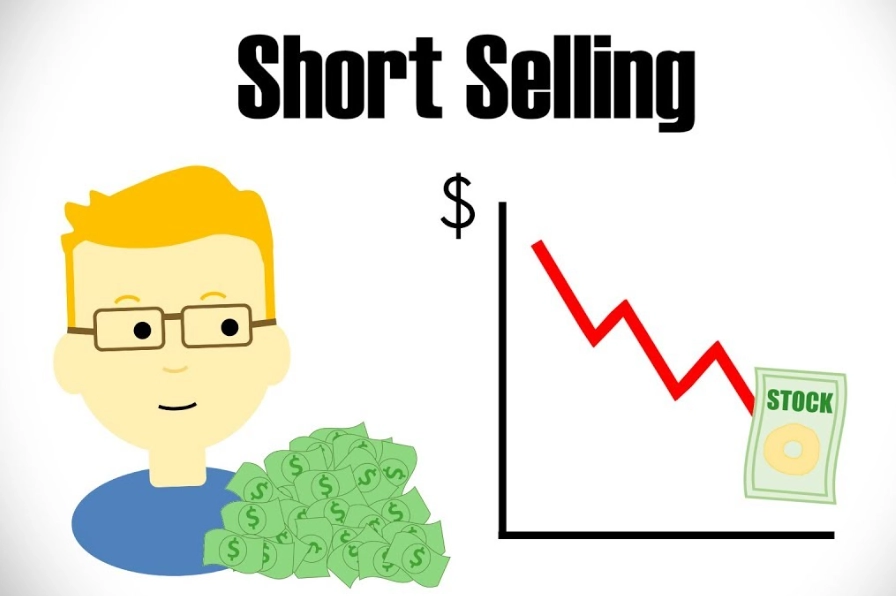
How to Execute a Short Sale: Practical Tips
Ready to give it a try? Here's a no-nonsense approach based on my trades.
1. Research Thoroughly: Don't just rely on gut feeling. Analyze financial statements, read reports from sources like Bloomberg or Reuters, and check short interest data (available on NASDAQ's website). Look for stocks with high short interest but weak fundamentals—they might be primed for a fall.
2. Choose the Right Broker: Not all brokers are equal for shorting. Compare:
- Interactive Brokers: Low fees, wide stock availability, but complex interface.
- Fidelity: Good for beginners, but borrow fees can be higher.
- TD Ameritrade: Solid platform, but margin requirements are strict.
3. Place the Order: Use limit orders to control price. Market orders can fill at worse rates during volatility. Set a stop-loss at 10-20% above your entry to cap losses automatically.
4. Monitor and Adjust: Check daily for news on the stock. If fundamentals change, don't be stubborn—close the position. I keep a trading journal to track decisions; it helps avoid emotional errors.
Common Pitfalls and How to Sidestep Them
Even pros make mistakes. Here's what to watch out for.
Pitfall 1: Shorting Low-Float Stocks: Stocks with few shares available can be manipulated, leading to sudden spikes. Avoid them unless you have insider-level knowledge.
Pitfall 2: Ignoring Borrow Costs: High fees can turn a winning trade into a loser. Always factor in costs before entering.
Pitfall 3: Lack of Exit Strategy: Define your profit target and loss limit upfront. Without it, greed or fear takes over.
Pitfall 4: Shorting in a Bull Market: Markets trend up over time. Shorting during rallies is like swimming against a tide—exhausting and risky. Check macroeconomic indicators from the Federal Reserve or World Bank reports to gauge trends.
My personal rule: I only short when the overall market is showing weakness, like during the 2022 downturn. Even then, I keep positions small and diversified.
Reader Comments