Let's cut to the chase. If you're buying and selling stocks, ETFs, or crypto by just clicking "market order," you're leaving money on the table and exposing yourself to unnecessary risk. It's like driving a car without brakes or a GPS. You might get somewhere, but the ride will be terrifying and you probably won't like the destination.
Stop orders and limit orders are those essential controls. They're not just fancy buttons on your broker's platform; they're the foundational tools for executing a strategy, not just a whim. Most beginners think a limit order is just "buying cheap," and a stop order is just "selling to avoid losses." That's surface level. The real power, and the subtle mistakes, come from understanding how and when these orders turn into live trades. I've seen too many traders get a nasty surprise because they confused the two.
This guide will walk you through exactly what they are, when to use which, and the hybrid order that combines them. More importantly, I'll point out the gaps in understanding that most articles gloss over.
What You'll Learn in This Guide
What Are Stop and Limit Orders? The Mental Model
Forget the textbook definitions for a second. Think of it this way:
A Limit Order is about price control. You set a specific maximum price you're willing to pay to buy, or a minimum price you're willing to accept to sell. The broker's job is to get you that price or better. It might not fill if the market never reaches your price, but you're guaranteed not to get a worse deal. You're saying, "I want this stock, but only at $50 or less."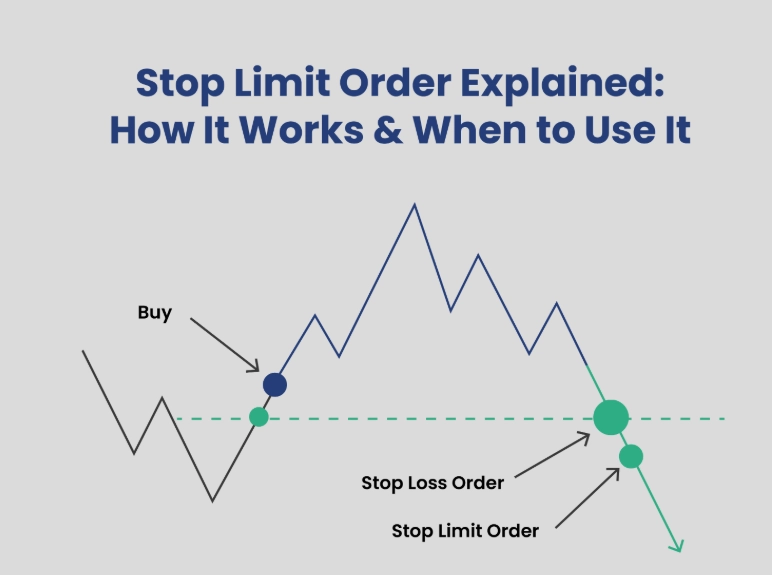
A Stop Order is about market activation. You set a trigger price. Once the market hits that price, your stop order turns into a market order and executes at the next available price. It doesn't guarantee the execution price, only that it will try to execute after the trigger is hit. You're saying, "If this stock falls to $45, sell it immediately at whatever price you can get."
The confusion starts because both have a "price" you set. The critical distinction is whether that price is a limit (a cap or floor on your execution) or a trigger (a starting gun for a market order).
Stop Orders: Your Automatic Safety Net
Stop orders come in two main flavors: the stop-loss and the stop-entry (or buy-stop).
The Stop-Loss Order: Protecting Your Capital
This is the one everyone talks about first. You own a stock trading at $100. You're bullish, but not naive. You place a sell stop order at $90. If the price drops to $90, your order becomes a live market sell order.
Here's the subtle part everyone misses: You will likely sell for slightly less than $90. Why? In a fast-moving market, by the time your $90 trigger is hit and your market order is sent, the best available price (the "bid") might be $89.80. You get $89.80. This is called "slippage." It's not your broker cheating you; it's the mechanics of a market order in a volatile moment.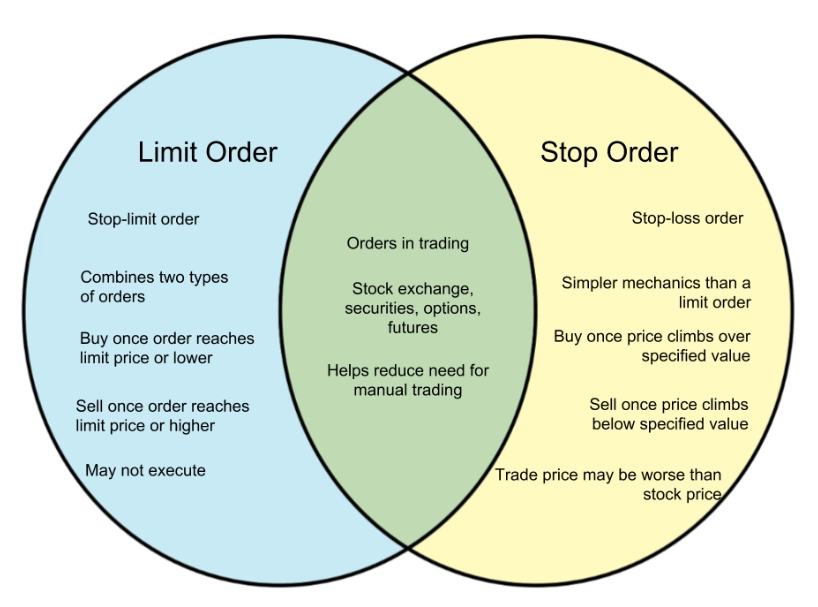
I learned this the hard way years ago with a volatile biotech stock. My stop at $50 triggered, but my fill was $48.25. That extra 3.5% loss stung. A stop-loss limits your loss, but it doesn't eliminate slippage risk.
The Buy-Stop Order: Chasing Momentum
Less discussed but equally powerful. Imagine a stock breaking out above a key resistance level of $55. You want to buy if and only if it proves it can stay above that level. You place a buy stop order at $55.10.
Once the stock hits $55.10, your order triggers a market buy. This lets you participate in a confirmed upward move without having to watch the charts every second. The risk? You buy into a "false breakout" and the price immediately reverses.
| Stop Order Type | Your Position | Trigger Price Action | Primary Goal |
|---|---|---|---|
| Sell Stop (Stop-Loss) | You own the asset | Sell when price falls TO or BELOW trigger | Limit losses on a long position |
| Buy Stop | You want to buy the asset | Buy when price rises TO or ABOVE trigger | Enter a trade on breakout momentum |
Limit Orders: The Price Precision Tool
Limit orders are about discipline and patience. You're not chasing the market; you're telling it where you'll do business.
Buy Limit Order: The Patient Accumulator
You believe a stock currently at $75 is a good buy, but you think it might dip to $70 in the near term. You place a buy limit order at $70. This means: "Broker, buy shares for me, but only if you can get them at $70 or lower."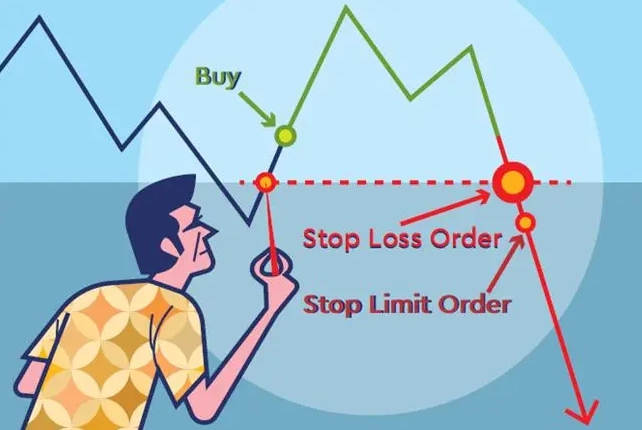
The beauty? You can walk away. If it never hits $70, you don't buy. No loss. If it plunges to $65, you might get filled at $65 (better than your limit!). The risk is obvious: you might miss the trade entirely if the stock rallies from $75 to $100 without looking back.
Sell Limit Order: The Profit-Taker
You own shares bought at $60, now trading at $80. You think $90 is a realistic target but don't want to watch it tick by tick. You place a sell limit order at $90. This means: "Sell my shares, but only if you can get $90 or more for them."
It automates your profit-taking. The risk? The price might hit $89.99 and reverse, never filling your order, and you watch your profits evaporate.
A common mistake is setting limit orders too greedily (buy limits far below market, sell limits far above). They become "hope orders" that rarely fill. Be realistic with your prices based on support/resistance levels, not wishful thinking.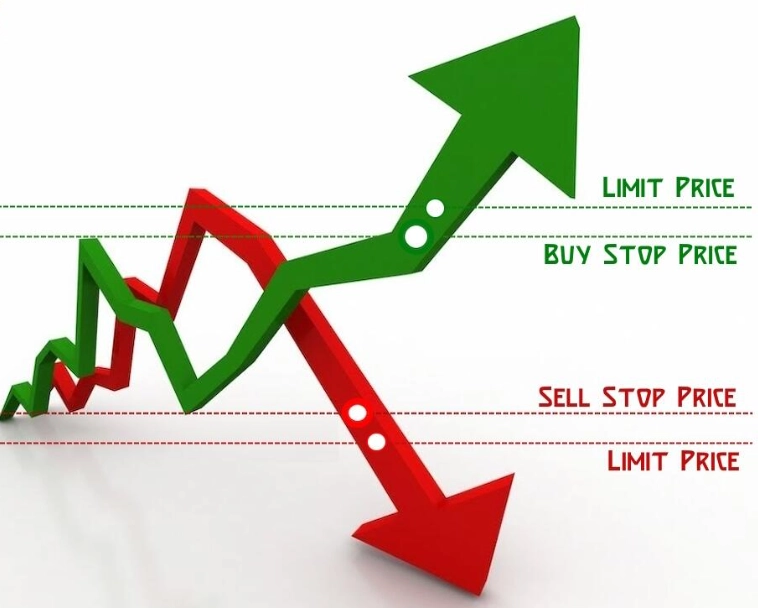
The Stop-Limit Hybrid: A Double-Edged Sword
This is where it gets advanced, and where most confusion lives. A stop-limit order combines both concepts. You set two prices: a stop price (trigger) and a limit price (execution cap/floor).
Scenario: Stock XYZ is at $100. You own it and want downside protection, but you're terrified of the slippage from a plain stop order in a flash crash. You place a sell stop-limit order with a stop price of $90 and a limit price of $88.
How it works:
- If XYZ falls to $90 (stop price), the order is activated.
- Once activated, it becomes a sell limit order at $88.
- It will only sell if it can get $88 or higher.
Use stop-limit orders when you want protection but are willing to accept the risk of not selling at all if the market gaps past your limit. They're great for less volatile stocks or in calm markets, but can fail you when you need protection most.
Putting It All Together: Real Trading Scenarios
Let's walk through a concrete example with a company like Tesla (TSLA).
The Situation: TSLA is trading at $180. You've done your analysis.
- Your View: Bullish long-term, but you see immediate support at $175 and resistance at $195.
- Your Goal: Buy shares, manage risk, and take profits methodically.
Your Order Strategy:
- Entry: Place a buy limit order at $176. This aims to buy on a slight dip to support, getting a better entry than the current $180.
- Initial Protection: Simultaneously, for the shares you just bought (if filled), place a sell stop order at $170. This defines your maximum loss. If TSLA breaks support and falls to $170, you're out automatically.
- Profit Target: Place a sell limit order at $194. If your bullish thesis plays out and it approaches resistance, this automatically locks in your gain.
- Trailing the Trend (Advanced): If TSLA breaks above $195, you might cancel the $194 sell limit and replace your $170 stop with a trailing stop order (a type of stop order that follows the price up by a percentage). This lets profits run while protecting against a reversal.
This isn't a guaranteed winning strategy, but it demonstrates how these orders work in concert to create a disciplined trade plan before you even enter a position. You're not making emotional decisions in the heat of the moment.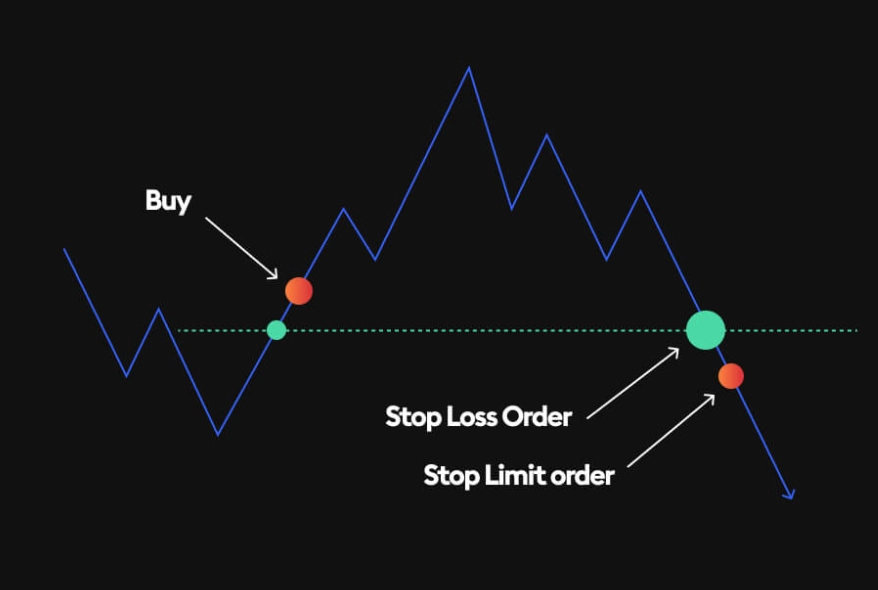
Reader Comments