Let's cut through the noise. When people ask "what is credit?" they're usually handed a dry definition about borrowing money. That's part of it, but it misses the point. Credit is trust, quantified. It's the financial system's way of answering one question about you: How likely are you to pay back what you borrow? Your entire answer is distilled into a three-digit number and a few-page report that can dictate whether you get an apartment, a car loan, or pay a fortune in insurance premiums.
I learned this the hard way when I moved to the U.S. years ago. With no credit history, I was a ghost. Getting a simple cell phone plan required a hefty deposit. A basic credit card? Forget it. I had a stable job and savings, but without a track record in this system, I was perceived as a risk. That's when I realized credit isn't about wealth; it's about proven behavior.
What You'll Learn Inside
What Is Credit, Really? The Two Sides of the Coin
At its core, credit is an agreement where a lender provides value (money, goods, services) to a borrower, who promises to repay it later, usually with interest. But this plays out in two main arenas that most articles lump together.
1. Personal Credit: Your Financial Report Card
This is the one everyone thinks of. It's your history of managing revolving credit (like credit cards) and installment loans (like auto loans, mortgages, student loans). Lenders report your payment activity to three major credit bureaus—Equifax, Experian, and TransUnion. These bureaus compile your credit reports, which scoring models (like FICO and VantageScore) then analyze to generate your credit score.
Think of it this way: The report is your transcript (the raw data), and the score is your GPA (the summarized grade).
2. Commercial Credit: The Engine of Business
This is the side of credit that makes the economy hum but gets less personal attention. It's about businesses extending payment terms to each other. For example, a restaurant gets a delivery of produce and has 30 days to pay the invoice. That's a line of credit. Businesses have their own credit scores (like Dun & Bradstreet's PAYDEX score) that measure how reliably they pay their bills. A small business owner's personal and business credit can be surprisingly intertwined, especially when starting out.
Credit Score vs. Credit Report: Knowing What's Under the Hood
You can't manage what you don't understand. Most people fixate on the score and ignore the report. That's backwards. The report is the cause; the score is the effect.
Your Credit Report contains the detailed history:
- Personal Information: Your name, addresses, Social Security number.
- Credit Accounts (Tradelines): Every credit card, loan, mortgage you've had, with payment history, credit limits, balances, and status.
- Credit Inquiries: Who has requested your report ("hard" inquiries for applications, "soft" for pre-approvals or your own checks).
- Public Records & Collections: Bankruptcies, tax liens, civil judgments, and accounts sent to collection agencies.
Your Credit Score (typically FICO or VantageScore) is calculated from that report data. The exact formulas are secret, but we know the general weightings:
| Factor | Approx. Impact (FICO) | What It Means |
|---|---|---|
| Payment History | 35% | Do you pay on time, every time? Even one 30-day late payment can hurt. |
| Amounts Owed (Credit Utilization) | 30% | The percentage of your available credit you're using. Below 30% is good, below 10% is ideal. |
| Length of Credit History | 15% | The average age of your accounts. Older is better. |
| Credit Mix | 10% | Having a variety of account types (credit card, installment loan). |
| New Credit | 10% | Opening several new accounts in a short period can signal risk. |
A subtle mistake I see? People panic over a 5-point monthly score fluctuation from a credit monitoring app. Those tiny moves are noise. Focus on the long-term trends and the data in your report. A 50-point drop means something changed—a high balance reported, a new inquiry, a missed payment.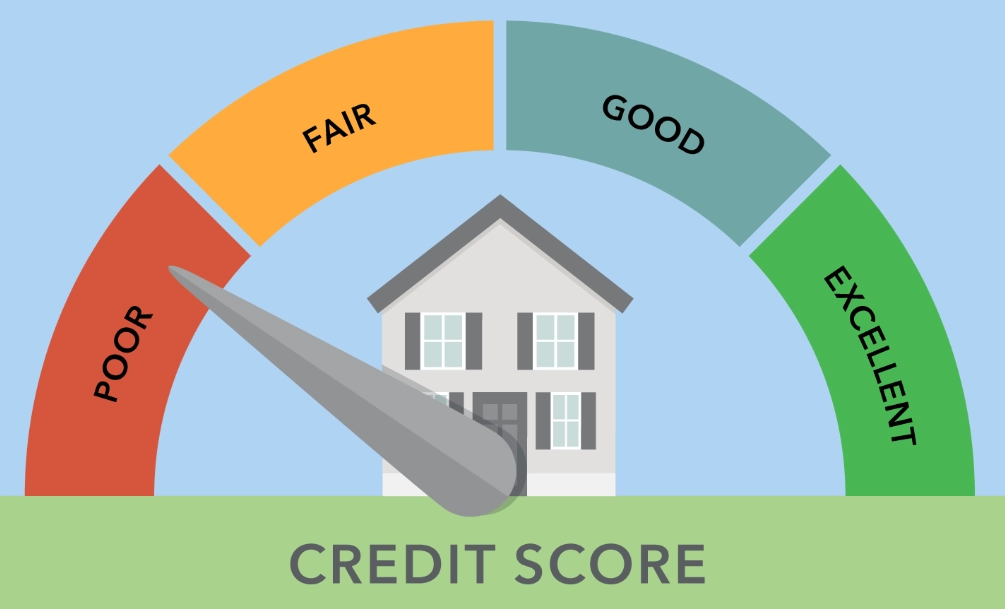
How to Build Credit From Scratch: A Realistic Action Plan
Starting with no credit history feels like being stuck in a catch-22: you need credit to get credit. Here's a proven path, the same one I had to figure out.
Step 1: The Secured Credit Card Gateway. This is the most effective tool. You give the bank a cash deposit (say, $200-$500), which becomes your credit line. The bank takes zero risk, so they'll approve you. Use it for one small, predictable expense—like your Netflix subscription. Set up autopay to pay the full statement balance every month. After 6-12 months of perfect payments, most issuers will upgrade you to an unsecured card and return your deposit. You've now established your first positive tradeline.
Step 2: Become an Authorized User. Ask a family member with a long-standing, perfectly-paid credit card to add you as an authorized user. You don't even need the physical card. Their account's positive history can be imported onto your report, giving your history an instant boost. Choose someone responsible—their mistakes will land on your report too.
Step 3: Explore Credit-Builder Loans. Some credit unions and online lenders (like Self) offer these. You don't get the money upfront. Instead, you make fixed monthly payments into a locked savings account. After the term (e.g., 12 months), you get the money back, minus a small fee, and the positive payment history is reported to the bureaus. It's a forced savings plan that builds credit.
Step 4: Report Your Rent. Your largest monthly payment likely isn't being reported. Services like RentTrack or Experian Boost can add your on-time rent payments to your credit file. This won't affect all scoring models, but it can help build a positive profile with some bureaus.
The Silent Credit Killers: Mistakes You Might Not Know You're Making
Everyone knows missing a payment is bad. But these quieter errors are just as damaging.
Mistake 1: Letting a High Balance Report. You use 80% of your card's limit for a big purchase, but you pay it off in full by the due date. You think you're fine because you paid no interest. Wrong. Most cards report your balance to the bureaus on your statement closing date. If you have a $1,000 limit and a $800 balance on that day, your utilization is 80%—a major red flag that tanks your score. The fix? Pay down most of the balance before the statement closes, leaving a small amount (1-10%) to report.
Mistake 2: Closing Your Oldest Credit Card. You get a new card with better rewards and close the old, unused one from college. This can shorten your average account age and reduce your total available credit, which may increase your overall utilization ratio. Both hurt your score. Instead, put a small recurring charge on the old card (like a charity donation), set up autopay, and sock-drawer it.
Mistake 3: Ignoring Errors on All Three Reports. An error might only be on your TransUnion report, not Experian. You need to check all three separately via AnnualCreditReport.com. A 2021 FTC study found that 1 in 5 people had a potentially material error on at least one of their credit reports. Disputing errors is free and can lead to a quick score bump.
Your Burning Credit Questions, Answered
So, what is credit? It's a tool. A powerful, sometimes frustrating, but ultimately manageable tool that reflects your financial habits. Don't fear it or worship the score. Understand the system—the report, the factors, the common pitfalls—and use that knowledge to build a record of trust. Start small, be consistent, and remember that every on-time payment is a brick in the foundation of your financial reputation.
Reader Comments