You’re in a London pub, and your new friend says the next round will be "a few quid." Or you’re watching a British film, and a character brags about making "loads of quid." If you’ve ever found yourself wondering, "Wait, what is a quid, exactly?"—you’re not alone. It’s one of those little linguistic hurdles that trips up visitors and language learners.
Here’s the straightforward answer: A quid is slang for one pound sterling, the UK’s currency. One quid = one pound. It’s the British equivalent of calling a dollar a "buck."
But if we stop there, we miss the whole story. The real intrigue isn’t just in the definition; it’s in how this word is woven into daily British life, its murky origins, and the subtle, unwritten rules about when to use it. Getting this right can make the difference between sounding like a tourist and blending in like a local.
What You'll Find in This Guide
The History of ‘Quid’: From Latin to the Pub
Ever wondered why it’s "quid" and not something else, like a "blip" or a "glorp"? The etymology is fuzzy, which makes it more interesting. The most widely accepted theory points to Latin.
In the late 17th century, the phrase "quid pro quo" (meaning "something for something" or an equal exchange) was common in English. Linguists and sources like the Oxford English Dictionary suggest that "quid" was likely a clipped, slangy reference to this idea. You give a quid (coin), you get goods. A direct swap. It fits.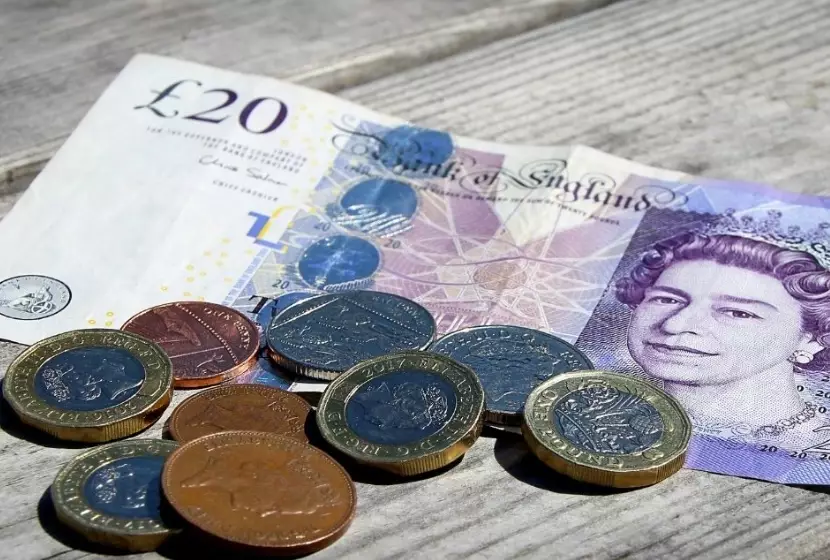
By the late 1600s, it was in use among criminals and the working class. Jonathan Swift (author of *Gulliver’s Travels*) even mentioned it in a 1711 journal, writing about spending "two quids," showing it had entered the vernacular. It wasn’t born in a bank; it was born in the streets and markets.
• Late 1600s: First suspected use, linked to "quid pro quo."
• 1711: First recorded written use by Jonathan Swift.
• 1800s onward: Becomes entrenched as the dominant slang term for a pound, surviving decimalisation in 1971 (when pounds changed from 20 shillings to 100 pence).
• Today: Universally understood and used across all UK demographics.
That’s the official story. My own theory, after living there, is that its one-syllable punch helped it survive. "Lend me five pounds" has more weight. "Lend me five quid" slips out easier. Language evolves for efficiency.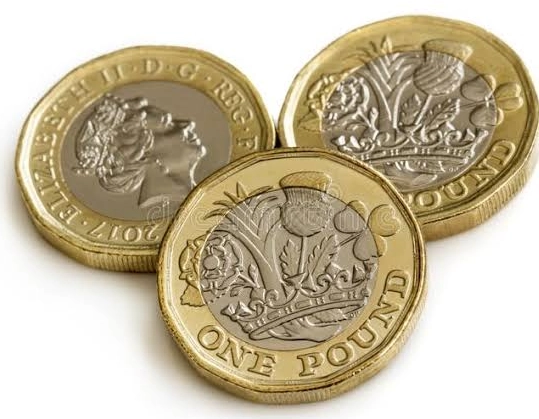
How to Use ‘Quid’ Correctly: A Quick Guide
This is where most guides fail. They tell you it means pound, but not how to use it. Here’s the practical, unspoken rulebook.
Rule 1: It’s for spoken, casual English. You’ll say it to a cab driver, a market vendor, or a friend. You won’t see it on a bank statement or a formal invoice. Those will say "pounds" or "GBP." If you’re writing a novel with British dialogue, use "quid." If you’re writing a contract, don’t.
Rule 2: It doesn’t have a plural form. This is a huge, common mistake learners make. You do not say "quids." It’s an invariant plural. You say "It costs twenty quid," never "twenty quids." Think of it like "deer." One deer, twenty deer. One quid, fifty quid.
Rule 3: It pairs with common, vague quantifiers. Brits love ambiguity. You’ll constantly hear:
- "It was only a few quid." (Meaning: a small, insignificant amount, usually under £20).
- "He makes loads of quid." (Meaning: a lot of money).
- "I’m skint—haven’t got a quid to my name." (Meaning: broke).
I remember buying a second-hand book in Edinburgh. The seller said, "That’ll be a couple of quid." I handed over two pound coins. Simple. Using "quid" made the transaction feel immediate and friendly, not formal.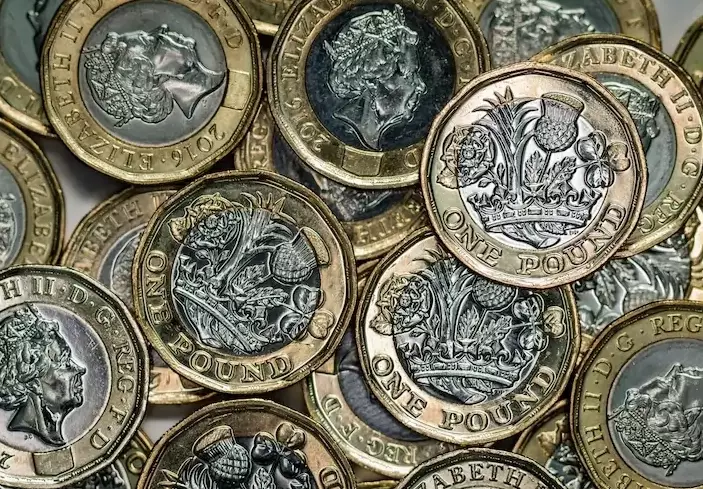
Quid vs. Pound: Is There a Real Difference?
On the surface, no. 1 Quid = 1 Pound Sterling. Financially, they are identical. The Bank of England isn’t issuing special "quid" notes.
The difference is entirely in register and connotation.
Think of it as two words for the same object, used in different social contexts. "Pound" is the standard, neutral, official term. "Quid" is the informal, insider, casual term. It’s the difference between saying "automobile" and "car," or "residence" and "place."
When to Use Each Term
Use ‘Pound’ When:
• Talking to a bank teller about a transfer.
• Reading or discussing financial news (e.g., "The pound fell against the euro").
• Writing anything formal.
• You’re unsure—it’s the safe default.
Use ‘Quid’ When:
• Chatting with friends about money.
• Buying something in a casual setting (pub, market, taxi).
• You want to sound relaxed and blend in.
I made the "quids" error once at a bakery. The server smiled and gently said, "We just say 'quid,' love." A tiny moment, but it highlighted the unspoken rule.
From Quid to Dollars: A Traveler’s Conversion Reality Check
If you’re visiting the UK from the US or another country, understanding "quid" is step one. Step two is grasping what it’s actually worth to you. The exchange rate fluctuates, but the mental math is crucial for budgeting.
Let’s assume a rough rate where £1 (one quid) is about $1.25 USD. This is for illustration; always check the current rate before you travel.
Here’s the trap tourists fall into: they hear "a fiver" (five quid) and think "five dollars." But it’s actually closer to $6.25. That 25% difference adds up fast across pints, meals, and museum tickets.
A practical tip: For a quick, dirty mental conversion, add one-quarter to the quid amount to get a rough dollar value. Ten quid? That’s about $12.50. Fifty quid? Around $62.50. It’s not perfect, but it prevents sticker shock.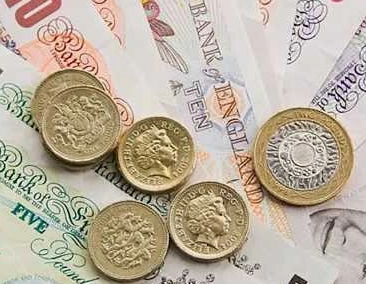
Now, apply this to real UK prices:
- A standard pint of beer in a London pub: £6 - £7 (≈ $7.50 - $8.75). That’s "six or seven quid" to your mates.
- A lunchtime meal deal (sandwich, snack, drink): £3-£4 (≈ $3.75 - $5). "About three quid."
- A short black cab ride in a city: £8 - £12 (≈ $10 - $15). "Might be a tenner." (A 'tenner' is £10).
See how the slang and the value connect? "A tenner for a cab" sounds casual, but knowing it’s really about $12-15 helps you decide if you’d rather walk or take the bus.
Your Burning Questions About ‘Quid,’ Answered
Let’s tackle the specific, nuanced questions that pop up once you get past the basic definition.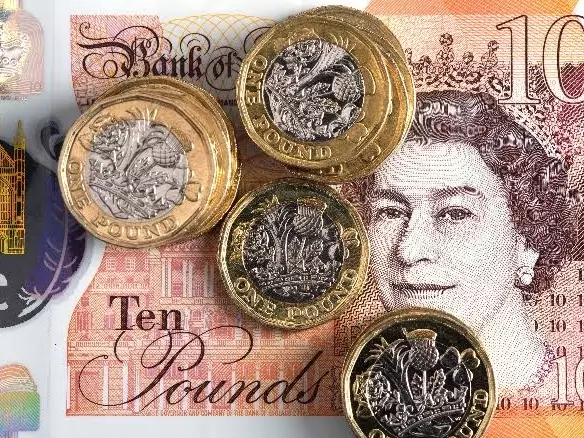
So, the next time you hear "quid," you’ll know it’s more than just money slang. It’s a key to a more relaxed, conversational understanding of British life. It’s history in your pocket, a linguistic handshake, and a useful tool for anyone visiting or doing business in the UK. Now you’re in the know.
Reader Comments